
Why use a DIY diffuser
You want photos that feel gentle, not harsh. A DIY diffuser turns bright, punchy light into soft light that flatters faces and textures—fewer blown highlights, calmer shadows, and less time fixing images on your phone.
A simple layer of tracing paper, white fabric, or a sheer curtain instantly changes the mood. Hard sunlight can make skin look rough and eyes squint; a translucent layer evens the light so subjects look relaxed and photos feel natural.
You also gain speed and control: set up in seconds, move or fold the material to tweak the effect, and shoot anywhere with a mobile without expensive gear.
How it will soften natural light in mobile photos
Diffusion scatters light so rays hit the subject from more directions, reducing hard edges between highlights and shadows. On a phone that means fewer blown-out spots and smoother skin tones without heavy editing.
Small position changes matter: closer to the source = stronger softening; farther = gentler spread. Test a few inches at a time to learn what flatters faces, objects, or mood shots.
When to improvise a diffuser with curtains
Use a DIY fix when the sun is too strong or window light is patchy—if your subject is squinting or bright patches distract the frame, pull a sheer curtain across the window or hold tracing paper to calm things down. If you wonder How to improvise a diffuser with curtains, tracing paper, and white fabric, start simple: hang a sheer curtain, tape tracing paper over a lamp or window, or drape white fabric a few inches from the source. Watch the shadows on the face and adjust distance and angle until the light looks even and the eyes keep their catchlight.
Benefits for phone portraits
For portraits, diffusion is a secret weapon: it smooths skin, tames shadows, preserves eye catchlights, and cuts editing time. You’ll get softer tones and more flattering expressions so photos feel warm and personal instead of harsh and clinical.
Materials: curtains, tracing paper, white fabric
You can make soft, pro-level light with three simple items: curtains, tracing paper, and white fabric. If you want a quick guide on How to improvise a diffuser with curtains, tracing paper, and white fabric, this is it: each material changes light in its own way. Use a sheer curtain for large, even diffusion, tracing paper for small lamps or flash, and white fabric for portraits and product shots.
Pick clean, plain pieces. A sheer curtain with a tight weave spreads light evenly. Muslin or light cotton works well—breathability over heavy drape. For tracing paper choose a thicker sheet if you need strength; thin sheets are fine layered. Bring clips, tape, scissors, a ruler, and something steady for your phone (tripod or books).
Choose fabrics for curtain diffuser smartphone photography
- Sheer or light-filtering panels: wide, soft spread; avoid patterns and blackout curtains.
- White cotton, muslin, lightweight linen: neutral, minimal color cast. Double or fold for more diffusion.
Why tracing paper works as a diffuser
Tracing paper is translucent and scatters light while letting most through. It behaves like an inexpensive softbox for small sources and small sensors—layer sheets to control brightness. It’s cheap, portable, and often pocket-sized.
Safety and heat notes
Keep tracing paper and fabric a few inches from hot bulbs. Use LED lights when possible; they run cooler. Never press paper against a high-heat bulb and never leave setups unattended.
How to improvise a diffuser with curtains, tracing paper, and white fabric
You can turn household items into a soft, flattering light source for your phone. Use a sheer curtain or sheet, a layer of tracing paper, and a piece of white fabric to blur harsh sun or flash. The goal: cut glare, soften edges, and make skin and textures look friendly.
Basic setup
- Layer order for window or lamp: curtain (if used) → tracing paper → white fabric (closest to subject).
- Keep a small gap (a few inches) between layers to avoid showing wrinkles or texture.
- Secure with clips or tape and move your phone back and forth to find the sweet spot—usually a few inches to a foot from the diffuser.
Use this setup for portraits, food, or small products during bright daylight or when the phone flash is too strong. Quick tests and tiny adjustments get the look fast.
Step idea: tracing paper plus white fabric layer
Tape tracing paper over a window or frame, then position white fabric a couple inches in front. That gap keeps the light even and avoids visible paper texture. Secure both layers, take test shots, tweak distance, and you’ll see shadows soften like a mini softbox.
Mobile photography diffuser DIY tradeoffs
You will lose some light—expect to raise ISO or use a tripod to avoid blur. Diffusion softens skin and highlights but may reduce sharpness in low light. Watch for color shifts from cheap fabrics and correct white balance in-camera or in post. For moving subjects, ensure enough light or use faster shutter speeds.
Simple mounting tips
Use a tension rod, binder clips, clothespins, or a lightweight frame. Attach to a window frame or a freestanding frame and keep the diffuser stable and wrinkle-free. Don’t block the phone mic or the subject’s view.
Positioning for softer natural light
Place the subject near a window but not directly in front of it. A few feet back turns a harsh beam into a wide, even wash that flatters skin. Move phone and subject around the sill until the light looks gentle on the preview—treat the window like a big softbox.
If the sun is strong, try How to improvise a diffuser with curtains, tracing paper, and white fabric to tame the blast: drape a thin sheet or tracing paper over the frame, or close a sheer curtain. That spreads light so highlights aren’t blown out and shadows stay soft.
Watch the background: a darker wall makes faces pop; a bright background can steal exposure. Use your phone preview to keep exposure where you want it.
Keep distance to soften without losing exposure
Step back from the window in small steps until the light wraps the face while remaining bright enough. If it gets too dim, use a white surface—paper, foam board, or a sheet—to bounce light back as fill. Tap to set exposure on your phone and lock it so the camera won’t underexpose when you change angles.
Angle to reduce harsh shadows and glare
Tilt the subject or phone so light skims features rather than hitting head-on. Side light adds depth; backlight can create rim light if you position a reflector in front. Move a few inches to eliminate shiny spots on skin or glasses.
Use reflectors to fill
Bounce light with a white towel, poster board, or foil over cardboard. Hold it just out of frame to lift under-eye and chin shadows. A reflector evens skin tone without extra lights.
Phone settings with a homemade diffuser for phone camera
A homemade diffuser softens light but you’ll still need to tweak settings. If you wonder How to improvise a diffuser with curtains, tracing paper, and white fabric, try a thin curtain over a sunny window or a layer of tracing paper held a few inches from the lens. Then:
- Use Pro/manual mode if available for ISO, shutter, and white balance control.
- Aim for ISO 100–400 when possible; raise exposure slightly rather than pushing ISO high.
- Tap to focus on the eyes and lock focus; use the grid for composition.
- Set white balance to Daylight or ~5000–5500K, or use a white card for custom WB. Lock AWB if your app allows.
- Turn off flash and HDR—the soft diffuser is doing the job.
Lower ISO and exposure compensation tips
Lower ISO reduces noise. If the diffused shot looks dark, raise exposure a little instead of ISO. Use exposure compensation if you lack full manual control—take a couple frames at different exposures to compare.
Lock white balance for true skin tones
Auto white balance can shift with mixed or filtered light. Lock WB in a pro app (Lightroom Mobile, etc.) so skin tones stay consistent across a set.
DIY phone portrait lighting techniques
Think of light as paint and your phone as the brush. Move the light or diffuser until it wraps the face. Small shifts change shadows and mood fast—test one change at a time and watch eye catchlights.
Control falloff with distance and angle rather than cranking brightness. Bring the diffuser closer for gentler falloff, back it up for flatter light. Keep the setup simple and tweak one thing per shot.
Use softbox alternatives to flatter faces
Tape tracing paper over a lamp, drape white fabric, or clip a sheer curtain to a frame. These act like a tiny softbox: break the beam into a broad soft source so the face is lit without harsh lines. Try How to improvise a diffuser with curtains, tracing paper, and white fabric by testing each material’s warmth and softness until the shadow under the nose is small and soft. Add a white card opposite the light as a reflector to fill shadows.
Place subjects for even skin with curtain diffusers
Position the subject facing a window with a sheer curtain between them and the glass. Keep the subject slightly turned toward the light for natural catchlights in the eyes. If the background is too bright, pull the subject away from the window so the camera keeps skin detail, and use a small white board to bounce light from below.
Posing and distance rules
Keep the subject roughly an arm’s length from the diffuser for soft fall-off; move your phone back and use mild zoom to avoid wide-angle distortion. Slight chin tilt and relaxed shoulders work well. Place the main light at 30–45° to the face for gentle modeling.
Small diffuser setups for product and flatlay shots
For products, use a single desk lamp or window with a diffuser between the light and the subject. Keep the diffuser a few inches from the light and adjust distance between diffuser and subject—closer = softer. A cardboard frame with tracing paper stretched across makes a quick softbox; pair with a white foam board reflector opposite the light for evenness.
If you’re starting, search How to improvise a diffuser with curtains, tracing paper, and white fabric, then try one change at a time and review shots on your phone preview.
Build a softbox alternative for mobile with tracing paper
Cut a window in a cardboard box, tape tracing paper over it, point a lamp or LED inside, and place your product just outside the paper. Double-layer tracing paper for extra diffusion and use white foam board inside the box to bounce light back. Shoot from above for flatlays or at slight angles for product depth.
White fabric light diffuser for clean colors
White fabric (cotton sheet, pillowcase, voile) gives neutral diffusion that keeps colors true—use clean, bright white fabric to avoid tints. Stretch fabric taut over a frame or clip it over a lamp/window. Move fabric closer to source for more diffusion or closer to subject for extra softness. Use a white card as fill to maintain color and subtle contrast.
Avoid color casts from fabrics
Test with a white object first. If you see a tint, swap to neutral white fabric or add a white reflector to cancel the cast rather than relying on heavy edits.
Safety and care for homemade diffusers
Treat materials like potential hazards: thin paper and cheap curtains can brown or warp with heat. Use LED bulbs or daylight LEDs that run cool and keep a few inches’ distance from the source. For bright sources, add a non-flammable layer behind the diffuser to protect upholstery.
Check setups before every shoot. Replace discolored tracing paper, retire singed fabric, and wash white fabric regularly—oils and makeup show fast. Store fabric loosely rolled or folded in a clean bag; keep paper flat to avoid creases.
Avoid heat from bulbs and direct sun on thin materials
Thin materials can warp, brown, or ignite near very hot bulbs or long direct sun exposure. Move the light farther away, use LED panels or daylight bulbs, and never tape paper onto a lamp. If direct sun is intense, wait for softer hours or add a secondary layer so the sun hits that instead.
Clean white fabric to prevent stains
Wash white fabric with cold water and mild detergent; air dry flat. Avoid heavy bleach. Replace tracing paper or printed curtains if stained—paper won’t survive washing. Quick blotting after spills saves time.
DIY vs store softboxes and reflectors
DIY diffusers deliver good soft light for little cost and great portability—ideal for practice, travel, or social media. Store softboxes and professional reflectors give consistent, repeatable results and better durability—worth it when clients or reliable output matter.
Cost and portability for mobile photography diffuser DIY
Curtains, tracing paper, and a square of white fabric cost little and fold into a bag—easy for on-the-go shoots. Try How to improvise a diffuser with curtains, tracing paper, and white fabric and build one in ten minutes: it cuts glare and makes skin tones friendlier.
When to buy a softbox or keep a homemade diffuser
Buy a softbox when you need consistent, professional results and speed on set. Keep homemade diffusers for speed, budget, and low weight—great for casual portraits and travel. Upgrade when consistency and durability outweigh cost.
Best choice for reducing harsh sunlight in phone photos
To tame harsh sunlight, place a diffuser between the sun and subject: a sheer curtain or white fabric stretched on a frame softens highlights and evens skin tones. Add a small reflector to bounce fill under the chin and you’ll stop squinting subjects and blown-out skies.
Quick checklist: How to improvise a diffuser with curtains, tracing paper, and white fabric
- Materials: sheer curtain, tracing paper, clean white fabric, clips/tape, tripod/books.
- Layer (window/lamp): curtain → tracing paper → white fabric, with small gaps.
- Distance: closer = softer; back up until light wraps but stays bright.
- Phone settings: ISO 100–400, daylight WB ~5000–5500K, focus lock, no flash/HDR.
- Safety: use LEDs, keep materials off hot bulbs, replace damaged pieces.
Use this checklist next time you need a fast, portable soft light—How to improvise a diffuser with curtains, tracing paper, and white fabric is an easy skill that improves mobile photos immediately.
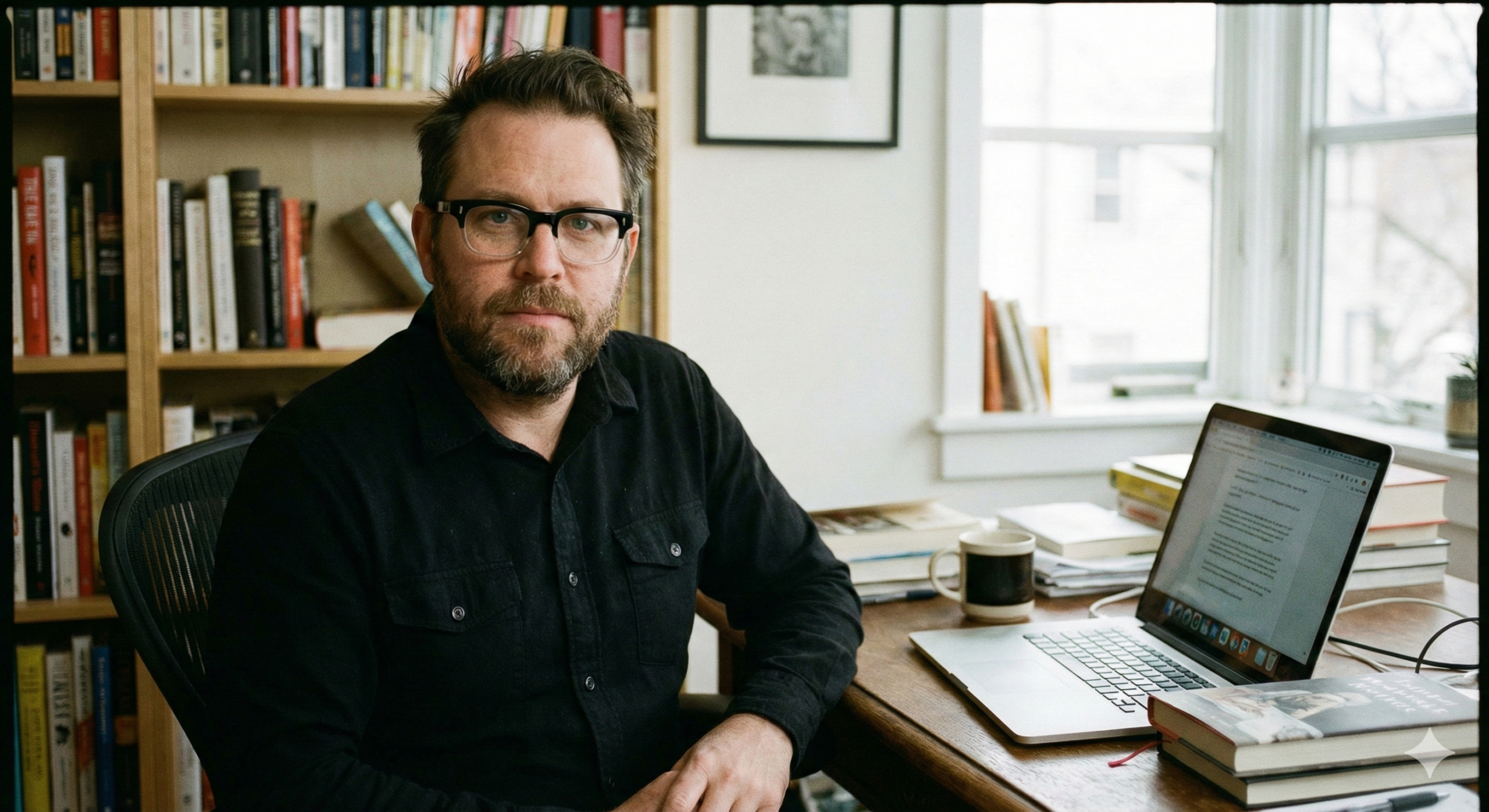
Hello, I’m Wesley, a photographer and content creator with over a decade of experience in the market.My photographic journey began over ten years ago, not with a fancy DSLR, but with an innate curiosity and a desire to capture the world around me. Over the past decade, I’ve honed my skills across various professional settings, from studio work and freelance projects to collaborating with brands on impactful campaigns. Through it all, one profound realization consistently emerged: the best camera is truly the one you have in your hand.This belief forms the cornerstone of my work today. I am passionate about democratizing photography, proving that you don’t need expensive equipment to create stunning, professional-quality images. With just a smartphone, a keen eye for light, and a solid understanding of technique, anyone can produce catalog-worthy photos, engaging content that converts, and visuals that tell compelling stories.On this blog, I share the distilled wisdom of my 10+ years in the field. My expertise lies in teaching practical mobile photography techniques, mastering composition, and refining your editing skills specifically for social media and impactful product photography. My mission is to empower creators, small business owners, and fellow enthusiasts to confidently master mobile photography – without unnecessary technical jargon, just actionable insights and proven methods that deliver real results.If you’re ready to elevate your visual content, create a consistent brand aesthetic, or simply understand how to make your smartphone photos truly shine, you’ve found your guide.Let’s create incredible images together.