
How to shoot good-looking behind-the-scenes in a messy environment: plan the frame
Start by deciding the main subject and make everything else work for it. Ask what story you want to tell and place the subject on a strong point in the frame — left, right, or center — letting clutter act as texture, not distraction. Keep lines simple. Use a shallow depth of field to blur chaos, or a wide depth to show context. Either way, the frame should point the eye to what matters.
Control light like it’s your co-worker: move lamps, aim a window, or add a small LED to lift faces and hands. Light shapes mood and hides mess; backlight can turn scattered tools into gentle silhouettes. Use reflectors — even a white poster or shirt — to bounce soft light and keep skin tones warm.
Think in layers: foreground, midground, background. Move one step closer or a few feet back to change the story. Fill the foreground with an object that frames the scene (a cup or camera lens) so clutter becomes a supporting actor. Crop tight when detail matters; zoom out for an establishing shot that makes the mess part of the vibe.
Behind the scenes photography basics
Pick settings that match motion and light: fast shutter for action, slightly slower for mood. Raise ISO if you must, but watch noise. Choose aperture for your story: wide for dreamy focus, narrow for clarity. Keep exposures simple so you can shoot fast and stay in the moment.
Work with your subject like a friend. Give simple directions, capture candid moments between poses, and shoot bursts during short actions. Those little breaks often hold the best expressions.
Messy background styling tips
Declutter in plain sight by grouping items into intentional clusters. Stack similar objects, align tools, or drape a cloth to create a solid patch behind your subject. Color-blocking helps: a single bright item stops the eye from wandering. You are not hiding the mess; you are organizing it so it reads as set dressing.
Use repeat shapes and lines to guide the eye — a row of jars, a line of tape rolls, hanging lights make rhythm out of chaos. Pull a few items forward as props to create depth. If something truly distracts, move it just out of frame or turn it so its shape reads as part of the scene.
Shot list and quick prep
Create a short checklist you can run in three minutes: wide establishing, medium action, close detail, hands at work, over-the-shoulder, and a timelapse or B-roll. Check batteries, clear two quick paths in the background, wipe reflective surfaces, and set one small light for faces. Keep memory cards ready and shoot fast; prep should feel like fixing a quick outfit before you step out.
Use natural light portrait tips
Natural light is your best friend. Place your subject near a window and let that soft glow shape the face for clear skin tones, soft shadows, and a friendly look that pops on feeds.
Move the subject closer to or farther from the window to change falloff: close gives gentle blur, farther back evens light across the scene. Face the subject slightly toward the window so catchlights appear in the eyes; small moves change mood fast.
You can handle chaos and still get great shots. If you wonder about How to shoot good-looking behind-the-scenes in a messy environment, start with the window and a reflector: good light hides clutter and guides the eye to the person.
Find soft window light
Look for a north-facing window or the shaded side of a building for even, calm light. If sunlight hits directly, use a thin curtain or wait for shade.
Avoid mixed color sources
Turn off warm room lamps when possible. Mixed light makes skin look odd and forces editing. Use the window light or match all bulbs to the same tone. Lock white balance to the window setting to reduce color fixes later.
Reflectors and DIY scrims
Use a white board, foil, or pale sheet as a reflector to fill shadows; clip a thin sheet over the window as a scrim to tame hard sun. These cheap fixes change a portrait from okay to striking.
How to shoot good-looking behind-the-scenes in a messy environment with controlled clutter composition
You can turn a messy room into a magnetic photo by framing a story. Pick one clear subject — a face, a hand, a tool — and let the rest be supporting chaos. When you control what the eye reads first, clutter becomes texture, not distraction.
Use one strong light source like a window or lamp to carve shapes and throw soft shadows; a single light will make your subject pop and give the background cinematic mood even if things are scattered.
Think like a painter: move a few cups, drape a cloth, tilt a laptop. Small edits and a confident angle will make your BTS feel polished. This is exactly how to shoot good-looking behind-the-scenes in a messy environment: pick a point, shape the light, and arrange clutter to tell your story.
Use controlled clutter composition
Choose which mess stays and which goes. Keep a few interesting anchors: one bright color, one tool, one handwritten note. Those give the eye places to rest and make the scene feel lived-in, not random.
Group objects into lines or triangles and leave breathing room. Limit colors and repeat shapes to turn chaos into purposeful design.
Hide mess with shallow depth of field
Blurring the background hides distracting detail. Use a wide aperture or portrait mode on your phone to create a soft backdrop that reads as warmth instead of clutter. Move closer to the subject and increase the distance to the background for stronger blur.
Group items into zones
Divide the frame into three zones: foreground for action, midground for the subject, and background for atmosphere. Place useful props close and distracting items farther back. Zoning guides the eye and makes chaos feel intentional.
Mobile photography hacks for fast BTS
You want fast, punchy behind-the-scenes shots that look like they took hours. Start with light — move a lamp or place a reflector (even a white shirt) so light hits your subject from the side or at a 45° angle. That single tweak makes clutter recede and brings texture forward.
Keep phone settings simple and repeatable. Tap to lock focus and exposure, use burst mode for motion, and set a two-second timer for extra stability. Use the volume button as a shutter and clean the lens before you shoot — a smudge kills clarity faster than bad composition.
See messy spaces as props: push a lamp into the frame, drag a chair for depth, shoot through glass for a soft veil. If you need instructions for How to shoot good-looking behind-the-scenes in a messy environment, think contrast, angle, and selective focus — turn clutter into a backdrop that tells the story.
Steady shots without a tripod
Brace your elbows against your ribs, lean on a wall, or rest your phone on a knee. Use both hands and tuck elbows in. For quick fixes, use a beanbag, books, or a jacket as a rest. A selfie stick can double as a monopod. Lock focus and use the timer for a steady breath before the shutter opens.
Use phone portrait mode and shallow depth of field
Portrait mode is a shortcut to separation. Put your subject several feet from the background, step back, and move with your feet rather than zooming digitally. Watch for edge errors on hair and glasses; if you see haloing, move the subject farther from the background or use a wider-aperture app. Add a single soft light to avoid flat faces.
Quick lens and app picks
Add a clip-on wide or macro from Moment or Olloclip for variety. Use Halide or ProCam for manual control. For quick edits, use Snapseed or Lightroom Mobile; for video, FiLMiC Pro gives pro-level control.
Color pop editing techniques and high contrast color grading
Make shots stop the scroll by boosting a single color and muting others. Use HSL or selective color to lift that hue’s saturation and luminance, then paint a soft mask to keep it natural.
High contrast grading brings mood: push contrast, deepen shadows with curves, then lift midtones so faces stay readable. Add a slight color cast to highlights or shadows to set tone, but keep skin tones warm and believable.
Build a quick workflow: pick your color, create a mask, tweak saturation/luminance, refine with tone curves, add a small vignette and sharpen. Test the image at phone size — if the pop reads on a tiny screen, you nailed it.
Boost one color for focus
Choose a color that anchors the story (a red mug, neon sign) and lift it while slightly muting neighboring hues. Use a soft brush on the mask and watch for halos; soften edges and reduce local contrast as needed.
High contrast color grading basics
Start with an S-curve for punch: pull down shadows, lift highlights slightly, then nudge midtones. Use split toning: cool shadows and warm highlights work well for urban scenes. Keep changes subtle so the image reads on small screens.
Crop and straighten for impact
Crop tight to remove clutter and straighten horizons so the image reads fast. Use rule of thirds to place your boosted color or subject on a strong point. Frame for platforms — square for grid, tall for stories — and cut anything distracting.
Capture candid BTS moments that tell a story
Treat chaos as your friend. Look for small truths: a laugh, a grimace, a hand reaching for a prop. Move close, stay quiet, and wait for the moment that shows what the shoot really feels like.
Think like a reporter: watch cause and effect — someone drops a lens, another reacts, a light flips on. Frame people with the mess so the background does some of the talking. Be brave: low angles make a subject heroic; a messy table filling the frame gives context.
If you want to learn How to shoot good-looking behind-the-scenes in a messy environment, focus on moments that reveal process and personality.
Shoot continuous bursts for candid BTS moments
Hold down the shutter to catch in-between moves. Use burst mode to capture a hand reaching, a cup tilting, a face changing. Set continuous AF and a fast frame rate when you can. Anticipate the peak and start the burst a beat early.
Compose for story-driven social media photos
Place your subject off-center with the rule of thirds and let clutter occupy other parts of the frame. Use leading lines — a cable, table edge, or row of lights — to point the eye. Think in layers: foreground, subject, background. Small props (a spilled paint can, a tossed script) become visual cues; you want followers to pause and ask, What happened here?
Tell a sequence with 3 frames
Frame one: the setup — show context and players. Frame two: the peak — the action or surprise. Frame three: the reaction — emotion after the moment. These three images read like a mini comic strip and work perfectly for carousels.
Quick checklist reminder — How to shoot good-looking behind-the-scenes in a messy environment:
- Pick one subject and frame it clearly.
- Shape light (window or single lamp) and use a reflector.
- Group clutter into zones and repeat shapes/colors.
- Use shallow depth of field or portrait mode to hide details.
- Shoot bursts for candid moments and edit for a single strong narrative.
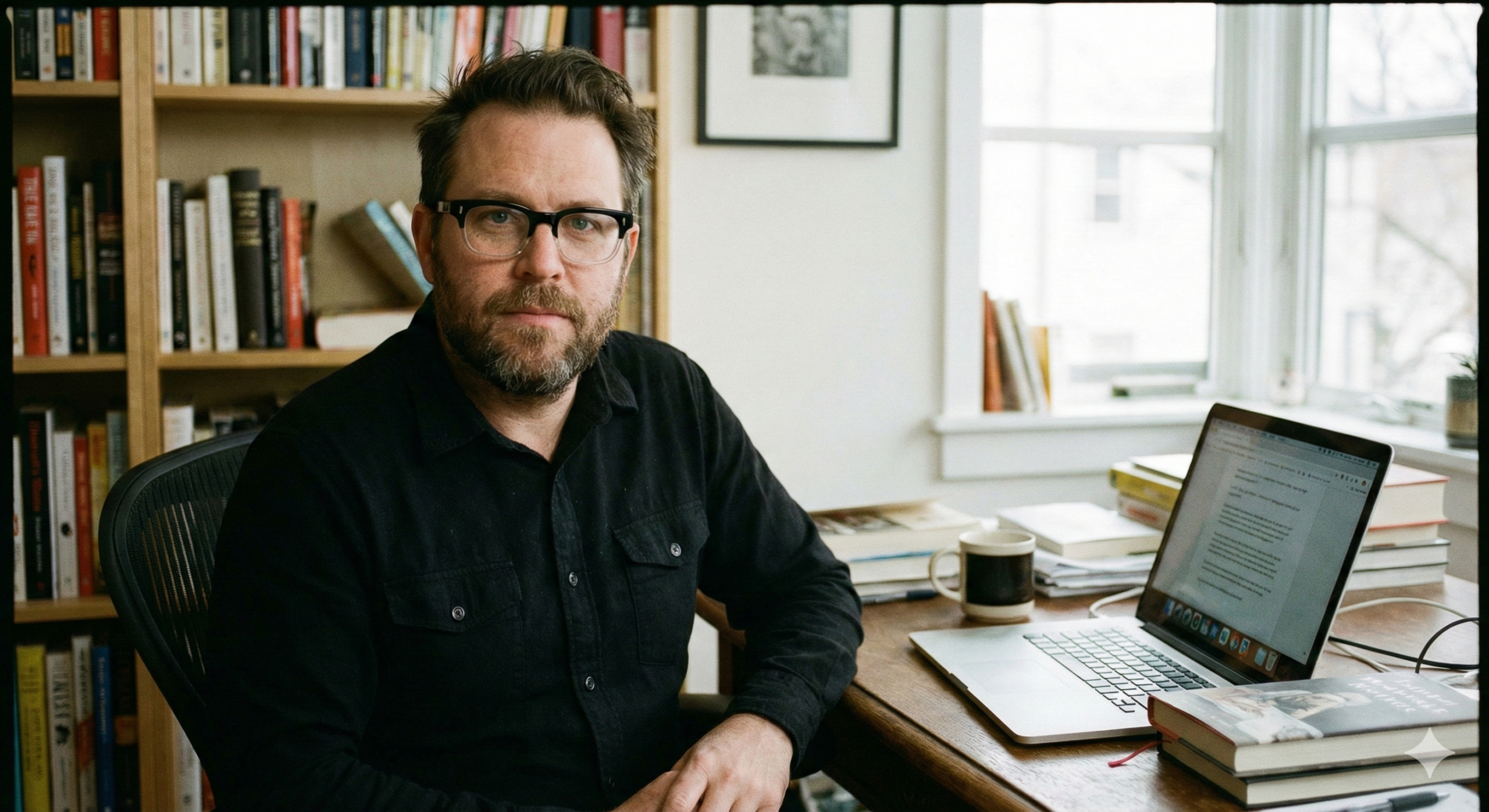
Hello, I’m Wesley, a photographer and content creator with over a decade of experience in the market.My photographic journey began over ten years ago, not with a fancy DSLR, but with an innate curiosity and a desire to capture the world around me. Over the past decade, I’ve honed my skills across various professional settings, from studio work and freelance projects to collaborating with brands on impactful campaigns. Through it all, one profound realization consistently emerged: the best camera is truly the one you have in your hand.This belief forms the cornerstone of my work today. I am passionate about democratizing photography, proving that you don’t need expensive equipment to create stunning, professional-quality images. With just a smartphone, a keen eye for light, and a solid understanding of technique, anyone can produce catalog-worthy photos, engaging content that converts, and visuals that tell compelling stories.On this blog, I share the distilled wisdom of my 10+ years in the field. My expertise lies in teaching practical mobile photography techniques, mastering composition, and refining your editing skills specifically for social media and impactful product photography. My mission is to empower creators, small business owners, and fellow enthusiasts to confidently master mobile photography – without unnecessary technical jargon, just actionable insights and proven methods that deliver real results.If you’re ready to elevate your visual content, create a consistent brand aesthetic, or simply understand how to make your smartphone photos truly shine, you’ve found your guide.Let’s create incredible images together.