
Learn shot sizes and purpose
You want viewers to stop scrolling. Start by knowing the three main shot sizes and what each does: wide for place and space, medium for action and body language, close-up for feelings and detail. These three are your toolkit — use them like instruments in a band: each has a role and a moment to shine.
Plan your story like a short play. Open with a wide to set the scene, move to a medium to show people doing something, then cut to a close-up to sell the emotion or detail. That order creates a clear arc that keeps attention and builds meaning without words.
Keep timing tight for stories and reels. A wide can live longer for context, a medium should carry the action, and a close-up lands the feeling. Practice simple three-shot sequences until the rhythm feels natural.
Wide medium close-up sequence explained
Think of this line as a cheat sheet: How to vary shots in stories: wide, medium, close-up (sequence) — start wide, move in, then land on the face or detail. The wide tells viewers where they are. The medium shows what’s happening. The close-up gives the punchline or emotion. That order keeps a steady flow and avoids confusion.
Try a quick example: open on a wide of a busy street, cut to a medium of you stepping into a café, then end on a close-up of hands pouring coffee or a smile. Keep each shot short and focused. The change in scale works like a heartbeat — it guides attention and makes moments memorable.
Visual storytelling techniques with shot sizes
Use composition to lead the eye. With a wide, place your subject off-center to show environment. In a medium, mind posture and gestures. In a close-up, fill the frame with expression or texture. Think like a painter: color, light, and space tell the story as much as faces do.
Mix motion and stillness. A slow push-in from medium to close-up feels intimate; a quick cut from wide to close-up creates surprise. Add a sound cue or caption to amplify the moment. Small moves make your story feel like a conversation, not a lecture.
Know each shot role
The wide sets context and mood (where), the medium shows interaction and body language (what), and the close-up captures emotion and detail (why). Plan them like steps in a short script so each shot answers a question for the viewer.
Plan a storytelling shot sequence
You want your story to feel like a short movie, not a random photo dump. Pick the core emotion you want viewers to feel—joy, curiosity, surprise—and let that guide every shot. Think in scenes: a setup, a moment of action, and a close that lands the feeling.
Lay out a simple sequence before you pick up the camera: a wide establishing shot, a medium scene to show what’s happening, and a close-up for the detail that tugs at the heart. That pattern makes your story easy to follow and gives each image a clear job. Keep the plan flexible; if a better angle or a candid moment shows up, grab it, but always return to the story goal.
How to vary shots in stories: wide, medium, close-up (sequence)
Start with a wide shot to set the scene. Let people see where things happen and who’s in the frame. Follow with medium shots to show the action and characters’ moves. Then finish with a close-up to show emotion or texture—the smile, the hands, the steam. That final shot is the hook that makes your audience feel.
Vary shots for stories to keep interest
If every image looks the same, viewers will scroll past. Mix angles, heights, and distances so each image surprises a little. Throw in a low angle, a top-down snap, or a candid frame to break the rhythm.
Use shot length like a drumbeat: long wides for setting, medium beats for rhythm, quick close-ups as accents. Change pace and give the eye new things to land on so the visual tempo shifts and the story feels alive.
Map your shot order
Write a quick map: start, middle, end, and note which shot type fits each beat. Label them wide, medium, close-up, and add a backup shot or two for safety.
Use framing and shot-size rhythm
You control the beat of your story with framing and shot-size rhythm. Start like a DJ laying down a track: a wide sets the scene, a medium brings the action closer, and a close-up locks in emotion. Keep the camera language simple so viewers breathe with your story.
One practical rule: alternate shot sizes every few moments to keep interest. For example, open with a wide of a café, cut to a medium as someone stirs coffee, then finish on a close-up of a smile. That little arc gives your story a heartbeat.
Pay attention to pacing, contrast, and timing. If every frame is the same size, your story will feel flat. Break the pattern: pair a tight shot after a broad one, or hold a close-up a beat longer for impact.
Composition transitions in stories for smooth flow
Use movement and shared elements to connect shots. A door opening, a hand reaching, or a passing car can bridge frames. Cut on action so the motion carries into the next frame and the edit feels seamless.
Keep a visual anchor between cuts: a repeated color, a recognizable object, or a gesture ties compositions together. Follow a red mug across three frames to give the eye something familiar — small anchors make transitions feel like a friendly handshake.
Keep eyelines and horizon steady
Match eyelines so viewers know where to look. If someone glances left, cut to what they see on the left. That keeps scenes readable and believable.
Keep horizons level, especially in landscapes and group shots. A tilted horizon feels like a stumble. Use your phone’s grid or steady your hand and make small framing corrections so the viewer feels calm.
Match frames for flow
When cutting between shots, keep frame proportions consistent to help continuity. If one clip is a waist-up medium, make the next a similar medium or a slightly tighter crop. Matching by size, angle, or distance helps the sequence read like a single, smooth moment.
Control camera distance variation
You pick a distance and you change the story. Start with a wide to set the scene, move to a medium for action, and finish with a close-up for emotion. When you plan “How to vary shots in stories: wide, medium, close-up (sequence)” you give viewers a clear map — they feel where they are and why they should care.
Think of distance like volume on a song. A wide shot is the chorus — everyone hears it. A medium shot is a verse — details come through. A close-up is the whisper — you pull the listener in. Use that pattern to keep pace and make each moment matter.
Practice changing distance fast and slow: walk a few steps, zoom with your feet, or swap lenses if you can. Keep the cuts smooth so the viewer doesn’t get seasick. Small, bold shifts raise engagement and make your content feel alive.
Move the camera to change mood
Moving closer creates trust; pushing in on a face makes the viewer lean in. Pull back and the moment cools. Try a slow push for tenderness and a quick pull for surprise. Even a slight tilt or pan can add tension — use movement like a brushstroke to paint mood.
Use a tripod or steady hand for clear shots
Sharp, steady images feel professional and keep focus where you want it. A tripod gives clean frames and lets you plan distance shifts without blur. If you don’t have one, brace your elbows, hold the phone with both hands, and breathe out as you press record. Lean against a wall or table — tiny tricks make your shots look intentional and clear.
Plan distance shifts
Sketch three frames before you shoot: wide to tell where you are, medium to show what happens, close-up to show feeling. Note who moves and where the camera will be — a quick plan saves time and keeps the sequence strong.
Edit shot variety for engagement
Mixing shots gives your feed a heartbeat. When you edit, treat each photo like a beat: wide for setting, medium for action, close-up for feeling. That contrast keeps attention and helps your story flow so people stick around instead of scrolling past.
Cut for rhythm. Swap scale, angle, and distance so each image adds a new layer. You want context, detail, and emotion stacked like steps that lead the viewer forward.
Use one bold color or a repeated face as an anchor across shots. That repeated element ties the sequence together and lifts engagement — viewers recognize the thread and are more likely to tap, comment, or share.
Shot variety for engagement boosts clicks
People click when you promise a payoff quickly. Start with a strong opener — a wide or bold close-up — then deliver something new every frame. That promise-and-deliver model turns casual viewers into clicks and saves. End with a reveal or call to action and drop anything that doesn’t move the story forward.
Social media photo sequencing best rules
Use the classic trio: wide, medium, close-up. “How to vary shots in stories: wide, medium, close-up (sequence)” is a simple checklist you can follow every time. Start wide to set scene, move to medium for context, then close-up for emotion or detail.
Keep each shot short and clear. Alternate perspectives every 1–3 frames and match pacing to the platform — fast for Reels or Stories, slower for carousels.
Trim to keep attention
Cut ruthlessly. Remove repeats, shaky frames, and long pauses. A tight edit means every photo pulls its weight; the result is a lean, punchy sequence that holds attention and drives action.
Optimize Instagram story shot flow
Plan your story like a short movie: a hook slide, follow with context, then end with a clear call to action. Keep each clip moving the story forward so viewers don’t swipe away. Vary framing and pace to create a shot flow that matches the emotion you want to deliver.
If you’re wondering How to vary shots in stories: wide, medium, close-up (sequence), place a wide shot first to set the scene, a medium shot to show action, and a close-up to capture emotion. Use natural cuts or quick zooms, not flashy effects that steal focus. Keep overlays low-contrast and place text away from faces so the eye follows the story.
Fit shots to vertical frame and timing
Frame for a tall screen every time. Leave headroom, center action vertically, and avoid wide horizontal crops that force viewers to tilt their phones. Use the 9:16 frame as your canvas.
Match shot type to timing: a wide can hold longer to show setting; a close-up needs less time to land an emotion. If a slide carries text, give it extra seconds. Aim for readable moments, not rushed flashes.
Use captions and stickers to guide viewers
Use bold, short captions to direct attention. Keep text large and high-contrast, and place it where it won’t hide faces or key visuals. Quick captions like Swipe up or Tap to vote move people to act.
Stickers are your traffic signs. Use polls, arrows, or countdowns sparingly to point viewers to the next move. A well-placed sticker can boost interaction and make your flow feel playful rather than pushy.
Test timing per story slide
Run quick experiments: post the same story with different slide lengths and watch which keeps people watching. Check analytics, note where viewers drop, and tweak the seconds so each slide does its job—no more, no less.
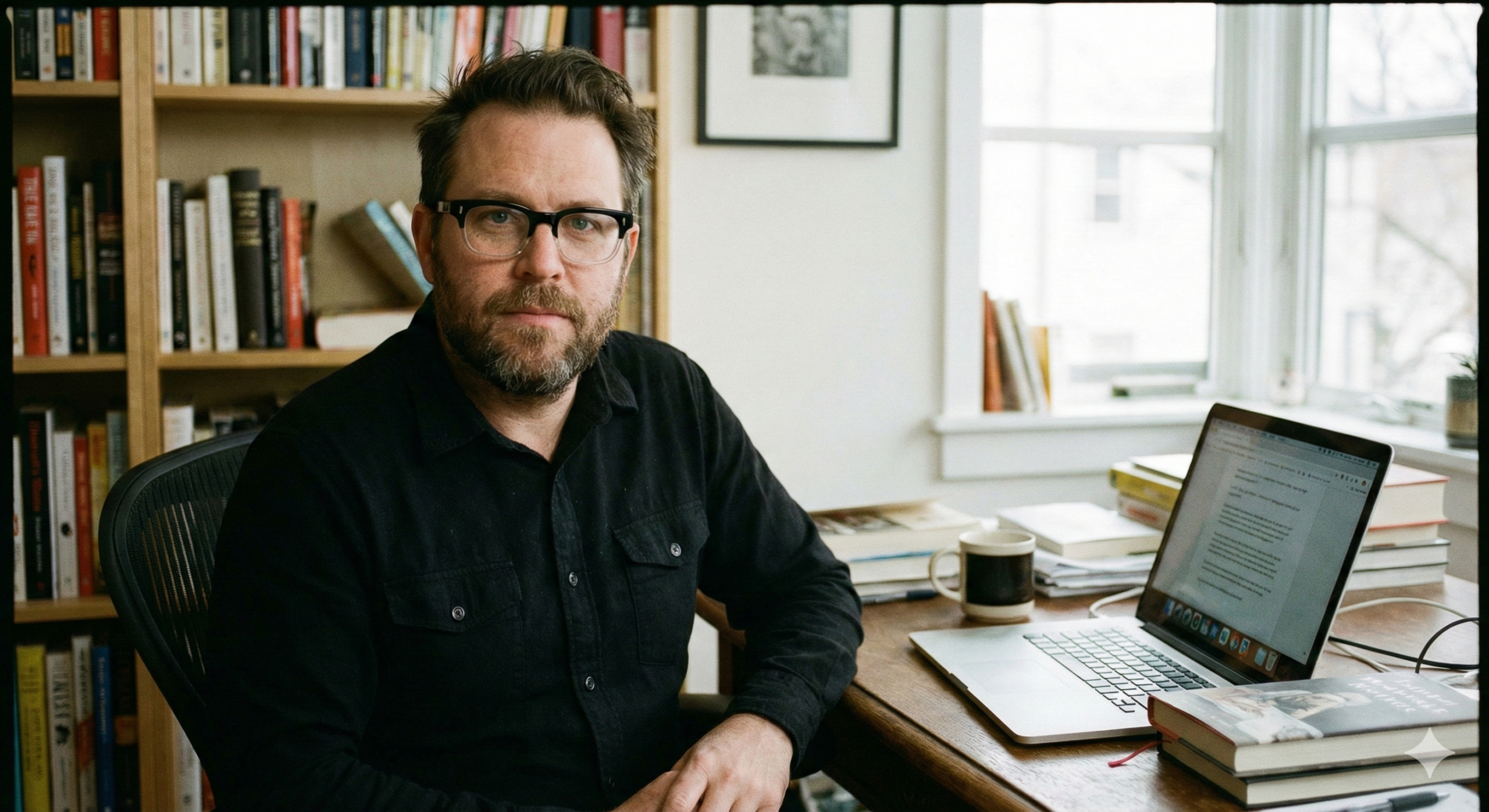
Hello, I’m Wesley, a photographer and content creator with over a decade of experience in the market.My photographic journey began over ten years ago, not with a fancy DSLR, but with an innate curiosity and a desire to capture the world around me. Over the past decade, I’ve honed my skills across various professional settings, from studio work and freelance projects to collaborating with brands on impactful campaigns. Through it all, one profound realization consistently emerged: the best camera is truly the one you have in your hand.This belief forms the cornerstone of my work today. I am passionate about democratizing photography, proving that you don’t need expensive equipment to create stunning, professional-quality images. With just a smartphone, a keen eye for light, and a solid understanding of technique, anyone can produce catalog-worthy photos, engaging content that converts, and visuals that tell compelling stories.On this blog, I share the distilled wisdom of my 10+ years in the field. My expertise lies in teaching practical mobile photography techniques, mastering composition, and refining your editing skills specifically for social media and impactful product photography. My mission is to empower creators, small business owners, and fellow enthusiasts to confidently master mobile photography – without unnecessary technical jargon, just actionable insights and proven methods that deliver real results.If you’re ready to elevate your visual content, create a consistent brand aesthetic, or simply understand how to make your smartphone photos truly shine, you’ve found your guide.Let’s create incredible images together.