
Maintain aspect ratio basics
Think of aspect ratio as your image’s frame: the ratio of width to height. Keep that frame steady and your photo will not look squashed or stretched. You keep the subject true to life and your layout clean.
When you change the crop, you change the frame. That can push a face off-center or cut out a logo. Use the crop tool with the ratio locked so shapes stay honest. Small changes can ruin a composition fast, so protect the edges and the eye line.
Make a simple rule: always keep a master copy. Use presets, lock the ratio, and check the safe area before you export. These small habits stop headaches later and keep your brand looking sharp.
Common aspect ratios you should know
Know the basic ratios by heart: 1:1 (square — Instagram posts and avatars), 16:9 (widescreen — YouTube, landscape video), 9:16 (vertical — TikTok, Reels, Stories), 4:5 (tall feed). Each ratio has a place and a mood.
Think about where people will see your work. Squares feel bold and simple. Vertical fills a phone screen and grabs attention fast. Widescreen gives room for scenery and movement. Match the ratio to the platform and the story you want to tell.
How to maintain aspect ratio when cropping
If you ask, “How to keep proportions when cropping for different platforms”, start by using the crop tool with the lock ratio turned on. Pick the correct preset for your platform, move the crop box, and use anchor points to keep faces and logos safe. Do not scale up a cropped image beyond its resolution.
Work in tools that show guides. Photoshop, Lightroom, Canva, and many phone apps let you pick ratios and preview. Export at the right size, check on a real device, and save your crop as a template. A quick preview will tell you if the image reads well in a feed or full screen.
Quick ratio chart
Common quick hits:
- 1:1 — Instagram post
- 4:5 — tall feed
- 16:9 — YouTube/landscape
- 9:16 — TikTok/Reels/Stories
- 3:2 — DSLR photos
- 2:1 — banners and hero images
Platform-specific image dimensions
Think of each platform as a different stage. A photo that looks great on Instagram can get chopped on Twitter or blurred on LinkedIn. Learn the common aspect ratios and pixel sizes so you don’t waste time redoing work. Start with a high-resolution master file and keep the main subject inside a safe zone so you can make many crops without losing the key part of the image.
Pick one master file sized large enough to cover every target. Work at 2x or 3x the largest pixel size you’ll need. Save that master with smart layers or non-destructive edits so you can change crops later. It’s faster to export from one polished source than to edit each version from scratch.
Also plan for density and format. Use PNG for crisp edges and transparency, JPEG for photos, and sRGB color for web and social. For most web/social work, aim for 72–150 DPI and the platform’s pixel dimensions.
Major platforms and their sizes
Know the usual sizes:
- Instagram feed: 1080×1080
- Instagram story / TikTok / Reels: 1080×1920
- Facebook post: 1200×630
- Twitter/X image: 1200×675
- LinkedIn post: 1200×627
- Pinterest pin: 1000×1500
- YouTube thumbnail: 1280×720
Treat these as starting points — platforms tweak numbers, so check before a big campaign. Always export to the target pixel size (e.g., name files like IG-feed-1080×1080.jpg) and batch export from your master to keep consistency.
How to keep proportions when cropping for different platforms
How to keep proportions when cropping for different platforms starts with the aspect ratio. Lock the aspect ratio in your editor so the crop box scales proportionally. Pick a focal point and anchor it. If the subject is off-center, use the rule of thirds or faces as anchors so crops still feel balanced. Think of the crop as trimming a garment — the fit must flatter the subject.
Use guides and safe zones: for vertical formats, leave top and bottom margin for captions and buttons; for square and landscape, center or shift the subject to a stronger third. Always scale down from your master instead of enlarging a small file to keep sharpness and consistent composition.
Save platform size presets
Make presets in your editor for each platform: pixel dimensions, file type, and quality settings with clear names like IG-story-1080×1920. Use batch export so you can produce every version with one click. Presets stop repetition and keep your brand looking sharp everywhere.
Preserve proportions during crop
Always lock the aspect ratio before you start cropping so your subject keeps its natural proportions. Think of it like framing a photo in a museum — if the frame is wrong, the art looks off.
Use presets for Instagram, TikTok, and web, or set a custom aspect ratio. Presets stop guesswork and keep your composition steady, so eyes and faces stay where they belong. Before you export, preview the cropped image on the target device or layout — a quick check saves hours.
Lock your crop to preserve proportions
Most editors give you a simple lock or a key you toggle to fix the aspect ratio. Use the lock icon or hold Shift while dragging; that forces the crop to scale evenly. Save the locked setting as a preset if you publish regularly. Pick an anchor point before you lock so the crop behaves predictably.
Resize without distortion
When you resize, always scale uniformly — use corner handles or hold Shift so width and height change together. If you drag only one side, the image will skew. Export at the right resolution for the platform: higher for print, standard for web, and double-size for high-density screens to avoid blurriness.
Use constraint handles
Use corner handles for proportional scaling and side handles only when you deliberately want to crop one axis. Combining Shift with a corner drag keeps your proportions intact.
Crop images for social media
You want your images to stop the scroll. Cropping is where composition meets conversion — a tight crop puts the eye on your subject and a loose crop gives context. Pick the crop that matches the message: product close-up, bold face, or wide scene.
Master the basic aspect ratios so you don’t lose key parts when switching platforms. The practical answer to “How to keep proportions when cropping for different platforms” is: lock aspect ratios, use guides, and move the focal point inside the frame instead of chopping it off. Start with a high-res master, mark a safe area, then export presets for each platform.
Instagram feed vs stories sizes
Instagram feed favors square and portrait. Use 1:1 (1080×1080) for classic posts and 4:5 (1080×1350) for taller portraits. Stories and Reels use 9:16 (1080×1920) — place important elements inside the center so usernames, buttons, or captions don’t cover them. If you want to show the full scene, add a subtle border or background so UI elements don’t trim key content.
Crop images for each network
Each network has favorite shapes: Pinterest prefers tall pins (2:3), Facebook and X favor wide link previews (~1.91:1), and LinkedIn often looks best with a 1.91:1 header or square post. Export multiple crops (square, portrait, tall story) from one master to keep brand consistency.
Choose the right crop
Ask what you want the viewer to do: read, click, or feel. For product sales, crop tight to show detail; for storytelling, give more background. Keep the subject centered or on a strong grid line, leave breathing room, and keep text/logos inside the safe area.
Focal point based cropping
Think of cropping like putting your subject under a spotlight. Before you cut pixels, pick the focal point — the one thing you want people to see first. That keeps your message loud and clear.
When you crop for different apps, keep the subject size steady. Use guides or overlays to lock how much of the subject stays in frame. This is the practical side of “How to keep proportions when cropping for different platforms”: preserve relative size, not just the whole image.
Mark your focal point before crop
Place a visible marker or temporary layer over the subject (eyes on portraits, logo center). Switch to a square or vertical crop and ensure the marker sits where you want it. Adjust until the focal point remains steady across ratios.
Use composition and aspect ratio rules
Use the rule of thirds as a baseline. Place the focal point on an intersection to make images feel balanced. For portraits, keep eyes near the top third. Match aspect ratios to platform needs and compare the subject’s size and position across ratios to keep it familiar.
Keep faces in frame
Leave breathing room around faces: keep the eyes above center, allow headroom, and never chop off a jawline or forehead. Preserve a safe area so expressions and eye contact remain powerful when the platform auto-crops.
Safe area for profile images
The safe area is the invisible circle or rectangle where your subject must sit so nothing important gets cut off by circular thumbnails or UI overlays. Draw an inner margin about 10–20% from the edges and treat it as sacred space. Keep faces, text, and symbols inside that ring.
Test different sizes: export a square, a circle preview, and a small thumbnail. That helps with “How to keep proportions when cropping for different platforms” because you’ll see what’s safe and what’s not.
Center your subject for circular crops
Center eyes or the head for people; center the mark for logos. Give a little top margin for headroom so hair and hats don’t look squashed. Stack logo and name vertically if needed to survive corner trimming.
Check safe area on platforms
Different sites crop differently (Instagram and Facebook often show circles, LinkedIn uses squares in feed). Use platform previews or a mockup tool, or upload privately to a test account to verify the final crop.
Keep key details inside safe zone
Always keep eyes, logos, short text, and vital items inside the inner circle. If something must touch the edge, move it inward — that inner ring is your emergency lifeline.
Responsive image cropping
Control how images read on every screen. Use aspect ratios, focus points, and simple rules so your images keep their message from desktop to phone. Start by mapping content to common shapes and mark a safe zone that stays inside square, portrait, and landscape crops.
Make the process repeatable: save presets with the same aspect ratios and focal points, train your team, and store final assets per platform.
Use srcset and CSS for responsive cropping
Serve the right file with srcset and the sizes attribute. Pick multiple widths and tell the browser which one fits each breakpoint for faster loads and sharp crops. Pair that with CSS like object-fit, object-position, or the new aspect-ratio property to lock the crop visually and keep the focal point centered or shifted as needed.
Test crops across breakpoints and devices
Test narrow phones, phablets, tablets, and large monitors (320, 375, 768, 1024, 1440). Emulators help, but real devices reveal touch, pixel density, and UI chrome differences. Keep notes on failing crops and iterate.
Preview on target screens
Always preview final images on the screens your audience uses most. Check social previews too, since platforms apply their own crops and overlays. If something looks off, adjust the focal point or add padding.
Automated crop algorithms
Automated crop algorithms speed bulk work by scanning for focus points, contrast, and shapes, then proposing crops that keep the story intact. Use them for quick edits, then tweak if needed. They’re handy for posting the same image to many sizes.
If you worry about proportions, remember: set aspect presets and a focal point first, let the tool suggest crops, and lock the crop area for logos or faces you must protect.
Use automated crops for speed
Run batches with presets, then review misses rather than editing everything manually. That balance saves time and keeps quality.
Compare content-aware and face detection tools
Content-aware tools prioritize scene elements by light and contrast (good for landscapes and products). Face detection prioritizes eyes and heads (great for portraits but may miss hands or text). Combine auto-crop with a focal lock for best results.
Let auto crop suggest options
Treat auto suggestions like a mini mood board: swipe through and pick the best, then trust your eye to finish the job.
Export and resize without distortion
Lock the aspect ratio before you resize. Pay attention to resolution and final pixel dimensions: stretching a small image to a larger canvas blurs it. Export at or above platform-recommended pixels. If file size matters, reduce dimensions thoughtfully rather than stretching and recompressing.
Use guides or overlays in your editor to preview common aspect ratios. That way you make small composition choices now and avoid big quality losses later.
Export in platform-specific image dimensions
Set your canvas to match target sizes and export exact dimensions. If you need multiple platforms, export separate files from a master at the right aspect ratio and pixel dimensions.
Choose file formats and compression wisely
- PNG for graphics with text or transparency
- JPEG for photos where smaller file size matters
- WebP when supported for better compression
Balance quality and file size: start high, view at 100% on target devices, then nudge compression down while watching for artifacts.
Final check before upload
Before you hit upload:
- View the image at actual size
- Zoom to inspect edges
- Test in the target context (profile picture, feed, or full screen)
Make sure the main subject sits where intended and no important detail is cut by platform crops.
Quick checklist — How to keep proportions when cropping for different platforms:
- Start with a high-res master file.
- Lock the aspect ratio and pick presets per platform.
- Mark a focal point and a safe area.
- Use guides, rule of thirds, and anchor points.
- Export exact pixel dimensions and appropriate formats.
- Test on real devices and adjust as needed.
Follow that flow and your images will stay natural, consistent, and ready for every platform.
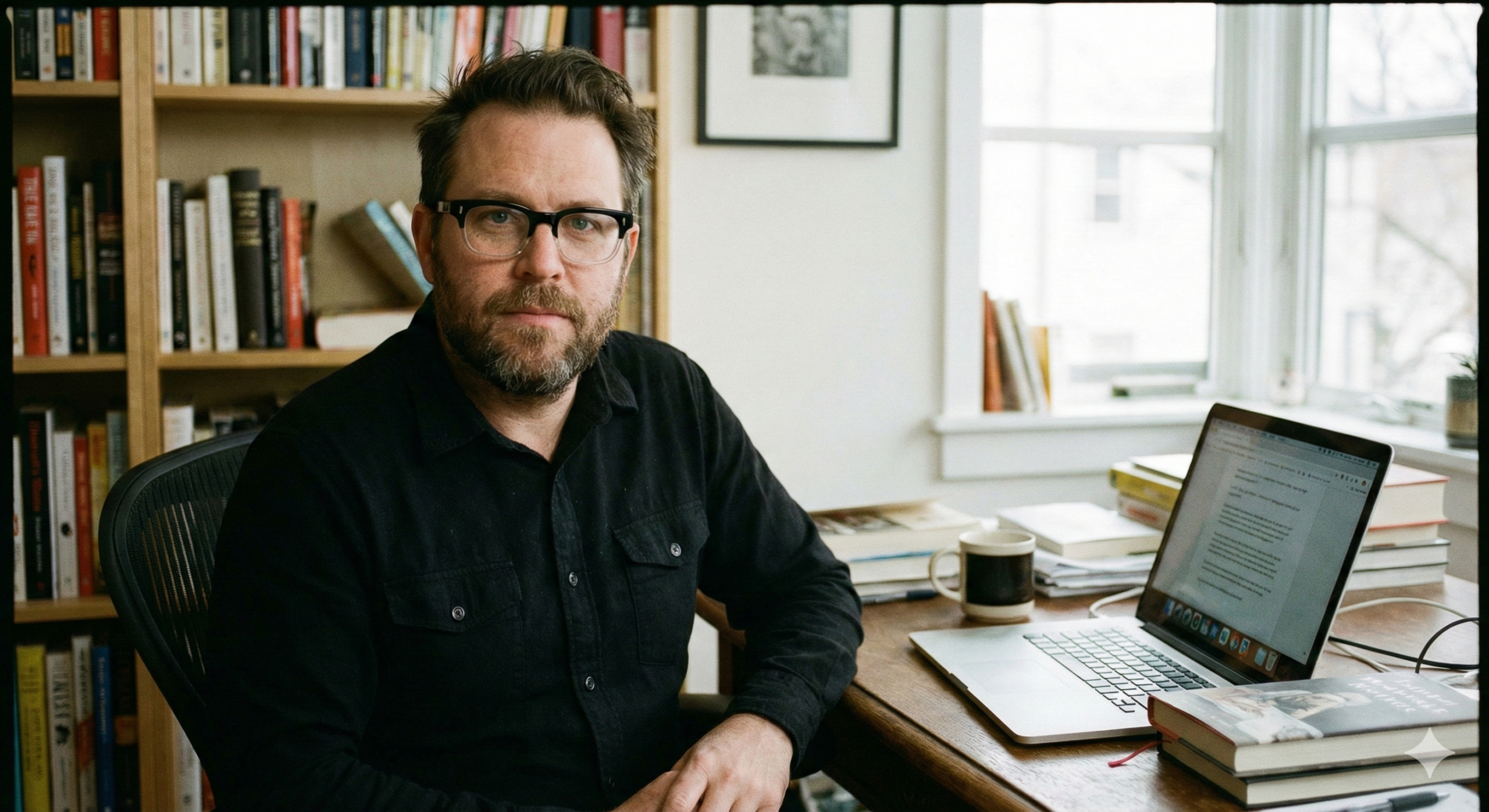
Hello, I’m Wesley, a photographer and content creator with over a decade of experience in the market.My photographic journey began over ten years ago, not with a fancy DSLR, but with an innate curiosity and a desire to capture the world around me. Over the past decade, I’ve honed my skills across various professional settings, from studio work and freelance projects to collaborating with brands on impactful campaigns. Through it all, one profound realization consistently emerged: the best camera is truly the one you have in your hand.This belief forms the cornerstone of my work today. I am passionate about democratizing photography, proving that you don’t need expensive equipment to create stunning, professional-quality images. With just a smartphone, a keen eye for light, and a solid understanding of technique, anyone can produce catalog-worthy photos, engaging content that converts, and visuals that tell compelling stories.On this blog, I share the distilled wisdom of my 10+ years in the field. My expertise lies in teaching practical mobile photography techniques, mastering composition, and refining your editing skills specifically for social media and impactful product photography. My mission is to empower creators, small business owners, and fellow enthusiasts to confidently master mobile photography – without unnecessary technical jargon, just actionable insights and proven methods that deliver real results.If you’re ready to elevate your visual content, create a consistent brand aesthetic, or simply understand how to make your smartphone photos truly shine, you’ve found your guide.Let’s create incredible images together.