
Subtle exposure adjustment for your shots
You want your images to pop, not scream. Think of exposure like a dimmer switch: a tiny twist changes the mood. Start with small steps. A bump of 0.2 to 0.6 EV often lifts a face or scene without killing the vibe. Use the histogram and your eyes together — if the graph stays away from the far right, you haven’t blown out the highlights. That’s the sweet spot for How to make photos brighter without looking artificial.
When you touch exposure, work in layers. First, nudge the global exposure slider a hair. Then tame stubborn dark spots with the shadows or local brush tools. If the sky gets angry, pull down highlights a touch to keep detail. Balance exposure, shadows, and highlights as a team to preserve texture in skin and sky.
Don’t forget color and contrast after brightening. A small exposure lift can wash tones, so add a little contrast or bump vibrance gently. If skin looks flat, dodge lightly on the face and burn the edges for depth. You want natural light, not a studio flood.
When to nudge exposure
Nudge exposure when the subject looks stuck in shadow or the scene feels dull. If faces are gray or the subject lacks separation, a small lift brings life. If you squint and the subject disappears, it needs brightness. Also watch for backlit scenes; cameras often underexpose the subject while protecting the sky.
Be careful with highlights. If bright areas already lack detail, raising exposure can wipe out texture. Check the histogram and clipping warnings. If highlights clip, pull them down first, then raise shadows or exposure in tiny amounts so you don’t lose detail.
How little is enough
Less is more. Start with 0.2 to 0.4 EV and judge. Many images only need a whisper of light to feel right. If you need more lift, raise shadows or use a brush on the subject instead of blasting global exposure. This layered approach answers the question of How to make photos brighter without looking artificial with real results.
Exposure quick rule
Rule of thumb: adjust exposure in tiny steps, check the histogram and clipping, then refine with shadows and local brushes — aim for natural texture, not blown highlights.
Use curves to brighten photos with control
You can make a photo brighter without losing texture by using curves. Pulling the middle of the curve up lifts the midtones and brightens skin and fabric while leaving highlights and shadows more intact. Small, smart moves beat big jumps — that’s core to How to make photos brighter without looking artificial.
Start with a gentle S-shape if you want more punch, but keep the middle soft. Add one control point in the shadow area, one in the midtone, and one near the highlights. Move the midtone point up a little and nudge the shadow point down slightly to keep contrast. Always watch the image as you pull the curve; if skin starts to glow or bright areas clip, tone the lift down.
Lift midtones, not highlights
Lift the midtones to brighten parts of the image that hold most subject detail. Put a point near the center of the curve and raise it a small amount. Avoid dragging the top of the curve up to brighten the whole file — that moves the highlights and risks clipping.
Read the curve histogram
The histogram on the curve is your map of tones. Peaks at the left mean a lot of shadow detail; peaks at the right mean heavy highlights. After you move the curve, re-check the histogram to spot clipping or gaps. If colors shift oddly, look at RGB channels one by one and adjust per channel to correct tint.
Curve pull tip
Pull the curve in small steps — try moving the midtone point up by tiny increments and toggle the preview on and off. Use a soft, rounded lift rather than a sharp kink to keep transitions smooth and natural.
Adjust shadows and highlights smartly
Work in RAW whenever possible so you keep the most data. Open the histogram and spot clipping on both ends. Use gentle global moves first: the Exposure, Shadows, and Highlights sliders. Small shifts keep the look natural and avoid that plastic, over-processed feel.
After the global pass, switch to local adjustments. Paint masks or use radial filters to lift shadows only where you need them and pull down highlights where they blow out faces or clouds. Think of it like lighting a stage: don’t flood the whole set, put the spotlight where it matters. This is a core trick for How to make photos brighter without looking artificial.
Finish with a tone-curve tweak and a quick clipping check. Add contrast back with a mild S-curve so the image retains punch. If texture or noise appears in lifted areas, dial noise reduction gently and accept a little grain — it reads more honest than a waxy smear.
Recover shadow detail
When shadows feel flat or crushed, nudge the Shadows slider up slowly and watch the midtones. Use the Tone Curve to lift the darkest quarter without touching the true blacks. If noise rises, apply targeted noise reduction only to the lifted areas using a mask, or try exposure blending: take a slightly brighter exposure layer and paint it in where needed.
Protect highlight detail
Pull the Highlights and Whites sliders down until blown areas regain outline. Check clipping warnings (blinkies) to see when specular highlights stop being pure white. Use graduated filters for bright skies or a local brush for a sunlit cheek. Lowering highlights without flattening the image keeps the contrast between light and dark so the photo stays lively.
Shadow/highlight tip
Work in small steps: lift shadows only until texture returns, then reduce highlights until edges reappear, and finish with a mild contrast boost — this three-step dance keeps edits natural and prevents the fake HDR look.
Selective dodging and burning to shape light
Dodging and burning is your secret for shaping light after the shoot. Use a soft tool to brighten (dodge) or darken (burn) small areas so the image reads the way you want. Think of it as painting with light: small, layered strokes build a believable result and stop images from looking flat or fake.
Work non-destructively with layers or masks and a low-opacity brush so every touch is reversible. Use blend modes like Soft Light or Overlay when you want a contrast boost without color shifts. Build up effect slowly — one light tap at 5–10% opacity, then repeat — to keep edges soft and skin natural. Always keep a mask to erase or reduce the effect quickly.
Dodge to guide the eye
When you dodge, aim for points that should pop: eyes, lips, jewelry, or a sunlit strand of hair. Bright spots act like signposts and guide the viewer’s eye. Use a midtone-targeted brush and lower saturation if a dodged area looks waxy. Work on an exposure or curves layer so you can dial back easily. Check skin texture at 100% to keep pores and catchlights believable.
Burn to keep depth
Burning strengthens shadows and adds separation between subject and background. Use a low-flow brush targeted to midtones or shadows and paint in layers. Avoid crushing blacks; preserve texture and detail so shadow areas still breathe. After burning, glance at the whole image and brighten any spots that now feel too dull.
Local light rule
Match your dodging and burning to the scene’s light direction and color. If the sun came from the left, brightening the right side looks wrong. Keep local color shifts small and consistent with the original light so edits read as real.
Preserve skin tones when brightening portraits
When you brighten a face, you risk washing out the skin tone or pushing it toward orange or green. Start with small, local steps. Use a gentle exposure lift and protect the midtones so skin keeps its natural depth. Brightening is about balance, not blasting the whole image.
If you’re wondering “How to make photos brighter without looking artificial”, do this: lift the scene slightly, then work on the face with a mask. Check white balance and tweak warmth only on the skin region. Treat the face separately from the background so colors stay true.
Keep texture and detail. Reduce harsh global contrast and recover highlights if the skin looks blown. Work in small increments and zoom in at 100% to judge pores and fine lines. Natural-looking brightness comes from tiny moves, repeated if needed.
Use face masks and feathering
Create a mask that targets the face and nearby skin. Paint or use a subject-select tool, then refine the selection so you don’t grab hair, teeth, or clothing. Soften the mask with feathering and lower the opacity of your adjustments. A hard edge makes halos; a soft edge blends the brightening into the rest of the image.
Check hues and saturation
Sample the skin with an eyedropper in midtone areas like the cheek. Then use HSL sliders to nudge hue or drop saturation only where needed. Prefer vibrance over global saturation to protect subtle tones. Avoid pushing orange too far and watch for green or magenta casts in shadows.
Skin tone check
Use a vectorscope or the skin tone line in your color tools to confirm hue placement. Check the RGB parade to spot clippings and use a neutral gray reference if available. Quick checks across devices keep the result honest.
Maintain contrast when brightening images
When you brighten a photo, the first trap is losing contrast. Brightening lifts midtones and highlights, and if you don’t pull the shadows back a bit, the image can look flat. Use the histogram as your compass: lift exposure gently, then recover bright areas so you keep depth and detail.
Think about How to make photos brighter without looking artificial as a two-step job: increase overall exposure by a small amount, then work on tone recovery. Pull down highlights and add a touch of shadow recovery to keep texture. Small moves look natural; big jumps scream edit.
Work in RAW when you can. Start with a subtle global lift, then switch to local adjustments to restore punch where needed. Use luminosity masks or brushes to protect faces and skies separately so brightness and contrast stay believable.
Add micro-contrast, not only exposure
Micro-contrast is the tiny edge difference that makes textures pop without changing the whole image. Tools like Clarity, Texture, or a gentle high-pass layer increase local edge contrast and give a crisp look that doesn’t feel overexposed. Mask away skin so you don’t emphasize pores in portraits; for landscapes, add micro-contrast to rocks and foliage.
Watch global vs local contrast
Global contrast shifts the whole tonal curve and can crush detail if pushed too far. Use curve adjustments with small S-shapes to add life, and watch clipping warnings. Local contrast works at the detail level — use graduated filters, radial filters, and brushes to boost contrast in a subject or background separately.
Contrast fix
Quick fix: raise Exposure 0.3–0.6, lower Highlights -20 to -60, lift Shadows 10 to 30, add Clarity/Texture 8 to 15, then paint a soft mask on skin and bright areas to tame any harshness.
Work in RAW for cleaner, natural brightening
Shooting RAW gives you more data to work with; that difference shows when you brighten photos. Open a RAW file and you get headroom in both shadows and highlights, so lifting exposure won’t turn skin or skies into flat, blown-out blobs. If you want a quick answer to How to make photos brighter without looking artificial, start here: shoot RAW and stop relying on JPEGs.
RAW files record a wider range of light, so your highlights often remain recoverable. When a JPEG clips, that information is gone; with RAW you can pull back blown areas and restore texture and color. Practically, you can reduce highlights, drop contrast slightly, and bring up midtones while keeping highlight detail.
RAW gives you the freedom to make small, precise edits that add up. Instead of a single big exposure shift, adjust shadows, whites, midtones, and separate color channels. Those subtle moves preserve skin tones and avoid the greasy, plasticky look you get when you push a JPEG too far.
RAW workflow tip
Start by setting a conservative exposure when you shoot and use the RAW histogram as your map; then in post, raise exposure slowly, pull down highlights, lift shadows, correct white balance, and use local masks for faces or key subjects so you brighten them without flattening the background. Work in small steps and toggle before/after often.
Brighten photos naturally on your phone
You want your photos brighter, but you don’t want that fake, overcooked look. Think like a painter: add light where you need it and leave the rest alone. Use small, targeted moves — a little lift in the shadows, a touch of warmth — and your image will breathe without shouting.
Work with the parts that matter most: faces, eyes, subject details, and areas lost in shadow. Tap into local adjustments to bring back clarity and life. When you nudge exposure or shadows, do it in tiny steps so the result stays natural and believable. Protect highlights so bright spots don’t blow out and keep background bits a little darker to retain depth.
Use selective tools, not global sliders
Global sliders are blunt instruments. When you crank the main exposure, everything changes — skin, sky, and shiny things — and that’s often where photos go wrong. Use a brush, radial filter, or selective mask to lift only the areas that need light. Paint slowly and lower the brush strength for subtlety.
Keep texture and skin tone
People notice skin first. If you over-brighten, skin looks waxy or washed out. Use texture or clarity sparingly on faces and protect skin tones by watching temperature and saturation. Warmth can help, but too much makes skin orange. Try a slight lift in shadows and a tiny bump in vibrance rather than blasting saturation.
Mobile edit checklist
Open a RAW or high-quality file, use a selective brush or radial mask, raise shadows slightly, protect highlights, nudge exposure in small increments, preserve texture on skin, use vibrance over saturation, add slight warmth if needed, and export at full resolution.
Avoid artificial look: realistic techniques
You want brighter photos that still feel real. Ask: does this look like light the eye would see? The core is simple: keep natural texture, hold back on blasts of exposure, and nudge brightness where the eye expects it. Work from the RAW file, use gentle curves and local masks instead of slamming the global slider. Edit like painting with thin washes — build the look slowly.
Finish with a reality check. Zoom out and squint. If the image reads like a window you peeked through, you’re close. If it screams edited, dial back. Save incremental versions and compare; the goal is believable light, not a spotlight.
Preserve grain and texture
Grain is part of the story. If you sand it off, the skin, fabric, or film vibe can vanish. Keep some grain to keep the image tactile. Be selective with noise reduction — target smooth areas like skies and use masks or luminance sliders so you keep texture where it matters: eyes, hair, fabric.
Use small, layered changes
Think seasoning, not a salt dump. Apply edits in thin layers. Use multiple adjustment layers at low opacity rather than one big swing. Small, stacked moves look more natural and are easy to tweak. Paint a soft mask to lift a face by 10%, then add a subtle dodge on the catchlight. Micro adjustments add up to a genuine feel and avoid halos and color shifts.
Realism rule
Always match the light source. If the sun came from the left, your highlights, shadows, and color temp should agree. Keep dynamic range intact and avoid clipped highlights or crushed shadows to preserve believability.
Quick checklist — How to make photos brighter without looking artificial
- Shoot RAW when possible.
- Start with tiny global exposure changes (0.2 to 0.4 EV).
- Use curves to lift midtones, not highlights.
- Recover highlights before raising overall exposure.
- Raise shadows or use a local brush to target subjects.
- Dodge eyes/catchlights and burn edges for depth.
- Preserve skin tone with masked adjustments, feathering, and HSL tweaks.
- Add micro-contrast selectively (Clarity/Texture) — mask skin if needed.
- Check histogram and clipping warnings often.
- Use small, layered edits and toggle before/after to stay honest.
Use this checklist as a final pass the next time you search How to make photos brighter without looking artificial — the secret is consistency: small moves, targeted edits, and respect for the original light.
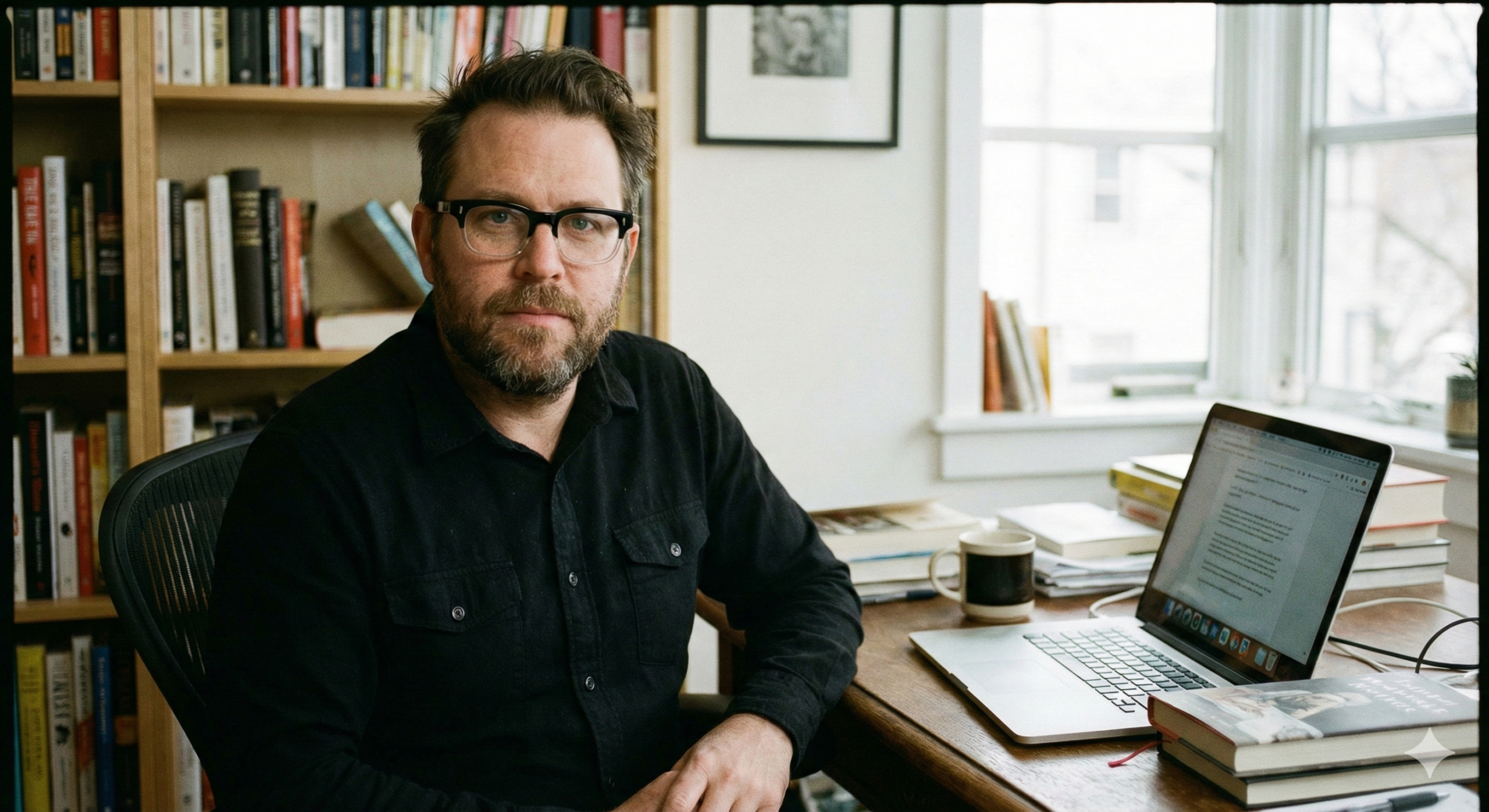
Hello, I’m Wesley, a photographer and content creator with over a decade of experience in the market.My photographic journey began over ten years ago, not with a fancy DSLR, but with an innate curiosity and a desire to capture the world around me. Over the past decade, I’ve honed my skills across various professional settings, from studio work and freelance projects to collaborating with brands on impactful campaigns. Through it all, one profound realization consistently emerged: the best camera is truly the one you have in your hand.This belief forms the cornerstone of my work today. I am passionate about democratizing photography, proving that you don’t need expensive equipment to create stunning, professional-quality images. With just a smartphone, a keen eye for light, and a solid understanding of technique, anyone can produce catalog-worthy photos, engaging content that converts, and visuals that tell compelling stories.On this blog, I share the distilled wisdom of my 10+ years in the field. My expertise lies in teaching practical mobile photography techniques, mastering composition, and refining your editing skills specifically for social media and impactful product photography. My mission is to empower creators, small business owners, and fellow enthusiasts to confidently master mobile photography – without unnecessary technical jargon, just actionable insights and proven methods that deliver real results.If you’re ready to elevate your visual content, create a consistent brand aesthetic, or simply understand how to make your smartphone photos truly shine, you’ve found your guide.Let’s create incredible images together.