
HDR on mobile: when to use it and when to turn it off (practical guide)
HDR on your phone is about balance. It blends bright parts and dark parts into a single picture so you don’t lose detail in the sky or in shadows. When you use it right, your photo looks closer to what your eyes saw — more detail, less blown-out sky, and richer shadows.
HDR can also make things look off if you forget it’s on. Moving people or cars can get ghosted, colors can shift, and the phone may take a tiny bit longer to save the shot. If you want moody silhouettes or high-speed action, HDR may fight your intent rather than help it.
You’ll get best results by making quick choices. Let Auto HDR run when the scene has both bright and dark areas and nothing is moving fast. Turn HDR off when there’s motion, when you want true black shadows, or when you plan heavy editing from RAW files.
How HDR works on phones
Phones usually take several pictures at different exposures and then merge them into one image. That gives you bright areas pulled down and dark areas lifted, so you keep detail across the whole scene. Modern phones do this fast, often in a single tap.
Behind the scenes, the phone aligns the frames, removes ghosting, and applies tone mapping so the final photo looks natural. This is computational photography: software tricks mimic a wider dynamic range than the sensor alone can capture.
When Auto HDR helps most
Auto HDR shines in backlit portraits and scenes with bright skies and dark foregrounds — like a person in front of a sunset or an interior room with a bright window. It keeps faces readable and the sky from burning out. Leave it on and let the phone smooth the gap between bright and dark.
Turn Auto HDR off for action shots, street scenes with moving subjects, and low-light shots where the phone is already stacking frames for noise reduction. Also switch it off if you want dramatic silhouettes or very deep blacks — HDR will pull those details back and soften the look.
Quick rule to try HDR: if the scene has both a bright area and a dark area and nothing is moving fast, try HDR — it’s usually a win. If things are moving or you want strong contrast or dramatic shadows, turn HDR off.
When to use HDR on phone
HDR is a tool that merges multiple exposures so you keep detail in bright spots and dark areas. Reach for HDR when the scene has a lot of contrast: part of the frame blazing bright and another part deep in shadow. That means faces in shade won’t turn into silhouettes and bright clouds won’t wash out.
Use HDR for:
- Backlit portraits (sun behind the subject)
- Bright skies, windows, and interiors with outside views
- Landscapes with bright and dark areas, like valleys and skies
HDR isn’t magic for every shot. If things are moving fast, HDR can blur motion. If you want a high-contrast silhouette or punchy contrast for mood, turning HDR off can be the better choice.
Use HDR for high-contrast scenes
When the subject sits in shade and the background is bright, HDR balances those extremes. You get texture in shadows and detail in highlights, so skin tones look natural and backgrounds keep their color. For golden hour backlit portraits, HDR can save both the warm sky and the face — just keep your hands steady.
Use HDR for bright skies and windows
Bright skies and windows often trick phone cameras into choosing one exposure that favors either inside or outside. HDR helps by pulling detail from both. If you’re in a café with a big window, HDR lets your subject and the view outside show up together. But be mindful: very dramatic skies can lose mood if HDR flattens them.
When to turn off HDR on mobile
Turn off HDR when it fights the shot you want. HDR blends multiple exposures to keep both bright and dark areas visible, but it can also soften details, add ghosting, or boost noise in ways that ruin your picture.
A quick rule: turn off HDR when you need a single fast capture or when subjects move. Phones take several frames and merge them. If anything shifts between frames, you get blur or double edges. You’ll see this with kids, pets, or street scenes where things don’t sit still.
Also switch off HDR in very dark places or when you want crisp action. In low light HDR can push the phone to blend long exposures and raise noise. When clarity and freeze-frame detail matter more than balanced light, turn HDR off and use burst, flash, or a faster mode.
Turn off HDR for moving subjects
When people or animals move, HDR can create weird trails or ghost copies. If you’re shooting a child running or a dog chasing a ball, turn HDR off and pick a faster mode. Use burst or increase shutter speed in Pro mode. You’ll freeze motion and keep faces sharp instead of smeared.
Turn off HDR in very low light
In deep shadows and night scenes, HDR often combines long exposures to lift dark areas. That process can also pull up sensor noise and make the image look grainy. Instead of HDR, try your phone’s Night mode or use a tripod and longer exposure. If you need a handheld quick shot, turn HDR off and use flash or higher ISO to get a cleaner image with fewer ghost artifacts.
Turn HDR off for sharp action shots
For sports, dance, or any fast action, HDR will blur the peak moment. Turn it off, use burst or sports mode, and lock focus. You want one crisp frame, not a blended compromise.
HDR vs non-HDR phone photos
HDR stitches multiple exposures to give you more detail in both bright and dark areas. When you face a scene with a bright sky and deep shadows, HDR will rescue shadow detail and tame blown highlights so your photo looks closer to what your eyes saw.
Non-HDR keeps things simple and fast. It captures one exposure, so you get strong contrast and punchy blacks when the scene isn’t extreme. That means sharper action shots and images with bold mood — but you risk losing detail in very bright or very dark parts of the frame.
Use this guide as your quick reference: HDR helps in high-contrast scenes; turn it off for motion, low light with noise, or when you want dramatic contrast.
Compare dynamic range and detail
Dynamic range is the gap between the darkest and brightest parts of a scene. HDR raises that ceiling by merging exposures so you keep texture in the shadows and shape in the highlights. The result is a photo that shows more of what you actually saw.
That said, merging exposures can blur moving subjects. If people, cars, or leaves move, HDR can create ghosting or soft edges. For fast action, stick with non-HDR to preserve crisp detail and freeze the moment.
Color and tone differences to expect
HDR often calms highlights and lifts midtones, so colors feel more even and less blown-out. That’s great for landscapes and backlit portraits. But HDR can also make images look a bit flat or over-processed if the phone pushes everything toward balance. If you prefer dramatic shadows and bold contrast, non-HDR will keep richer blacks and stronger mood.
Best HDR settings for smartphone
- Start with HDR set to Auto for general use.
- For portraits backlit by windows or sunsets, slightly underexpose before HDR fires to keep skin tones natural.
- Turn on HDR RAW if your phone supports it for more editing flexibility.
- Use bracketing or manual exposure for tough, steady scenes; a tripod helps avoid ghosting.
- Reduce in-camera saturation or contrast if results look overcooked.
- Do a quick test shot and zoom into highlights and shadows. If HDR creates halos or odd color shifts, switch it off.
Auto HDR versus manual control
Auto HDR is your quick win. It reads the scene and blends exposures for you. Use it when you’re moving, when the light changes fast, or when you want reliable results without fiddling.
Manual control gives you power when you want the last word. Pick manual exposure or use bracketing for steady scenes like sunsets or architecture. If you plan heavy editing, manual RAW gives you far more room to shape the final image.
Mobile HDR photography tips
- Keep your hands steady and use focus lock. Tap to lock focus and exposure on your subject so the phone doesn’t chase the bright sky.
- If something in the frame is moving a lot, shoot burst mode or turn HDR off to avoid ghosting.
- A cheap mini tripod or leaning on a wall fixes most blur problems.
- Try both HDR and non-HDR shots and pick the best one — practice beats guesswork.
- Set HDR to Auto for casual use (city walks, family snaps, backlit cafes), then switch to manual when you want full control.
Sunsets, sunrises, and bright skies
At sunrise and sunset the sky changes fast and has wild color. HDR helps you keep those rich colors in the sky while bringing out foreground details—rocks, people, or a shoreline. Watch for motion (waves, leaves, people); if present, take one HDR and one non-HDR shot for options.
Landscapes with bright and dark areas
Wide landscapes often have bright skies and dark valleys. HDR balances those extremes so you see texture in the hills and color in the clouds at once. Steady your phone for the cleanest blend—use a tripod or brace your arms.
Avoid HDR with moving subjects
HDR stacks multiple frames to brighten shadows and tame highlights. When something moves between frames, you get ghosting or soft blur instead of a crisp shot. Turn HDR off for sports, kids, pets, traffic, or any shifting scene.
Do a quick test: take the same shot with HDR on and off, then compare. Toggling HDR when things move gives you better photos without extra editing.
Ghosting and blur explained
Ghosting happens because the camera tries to align and blend several exposures. When elements move, the alignment fails and you see faint duplicates or halos. Blur in HDR comes from motion between those exposures. Modern phones try to fix this, but algorithms can’t always read the scene right.
Use fast shutter or burst instead
When subjects move, use burst mode or raise shutter speed in Pro mode to freeze action. Hold the shutter button for burst shots or pick a faster shutter like 1/250s or faster for quick subjects. Burst gives you many frames to pick the sharpest one.
HDR for backlit portraits on phone
HDR is a quick fix when the sun sits behind your subject. Use HDR to merge bright skies and dark faces into one balanced shot. On a phone, that means fewer blown highlights and more facial detail without a harsh flash.
To get it right:
- Steady your phone and tap to lock focus on the face.
- If your app offers Auto HDR, use it for quick shots and switch off when things move fast.
- For small movements, shoot burst and pick the sharpest HDR frame.
- Avoid HDR if you want dramatic silhouettes, or when neon/flashing lights might cause odd colors.
HDR lifts faces against bright backlight and preserves rim lighting while revealing facial features — great for natural-looking backlit portraits.
Night and low light HDR phone tips
At night HDR tries to balance bright lights and deep shadows by merging frames. That can lift detail in dark areas and keep streetlights from blowing out. But HDR can add noise or blur if things move.
Tips:
- Tap to set focus and exposure; lower ISO if you can.
- Shoot RAW when you plan to edit.
- Use Night mode for very dark, still scenes; pick HDR for mixed-light scenes where you want both bright and dark areas to show.
- Hold the phone steady, use a timer or tripod, and mask or avoid stray point lights that confuse the sensor.
Night mode stacks many frames for noise reduction and typically uses longer exposures, while HDR blends exposure levels to protect highlights. Pick Night mode for deep, still scenes and HDR for mixed light where speed matters.
Conclusion / Quick checklist
- Use HDR on high-contrast scenes: backlit portraits, bright skies with dark foregrounds, interiors with windows.
- Turn HDR off for motion, sharp action, or very low-light noisy scenes.
- Set HDR to Auto for casual shooting; use manual RAW for precise control.
- Test HDR on and off for tricky scenes and learn the look you prefer.
Treat this as a short reference for HDR on mobile: when to use it and when to turn it off (practical guide) — learn the trade-offs, toggle quickly, and you’ll get better shots with less fuss.
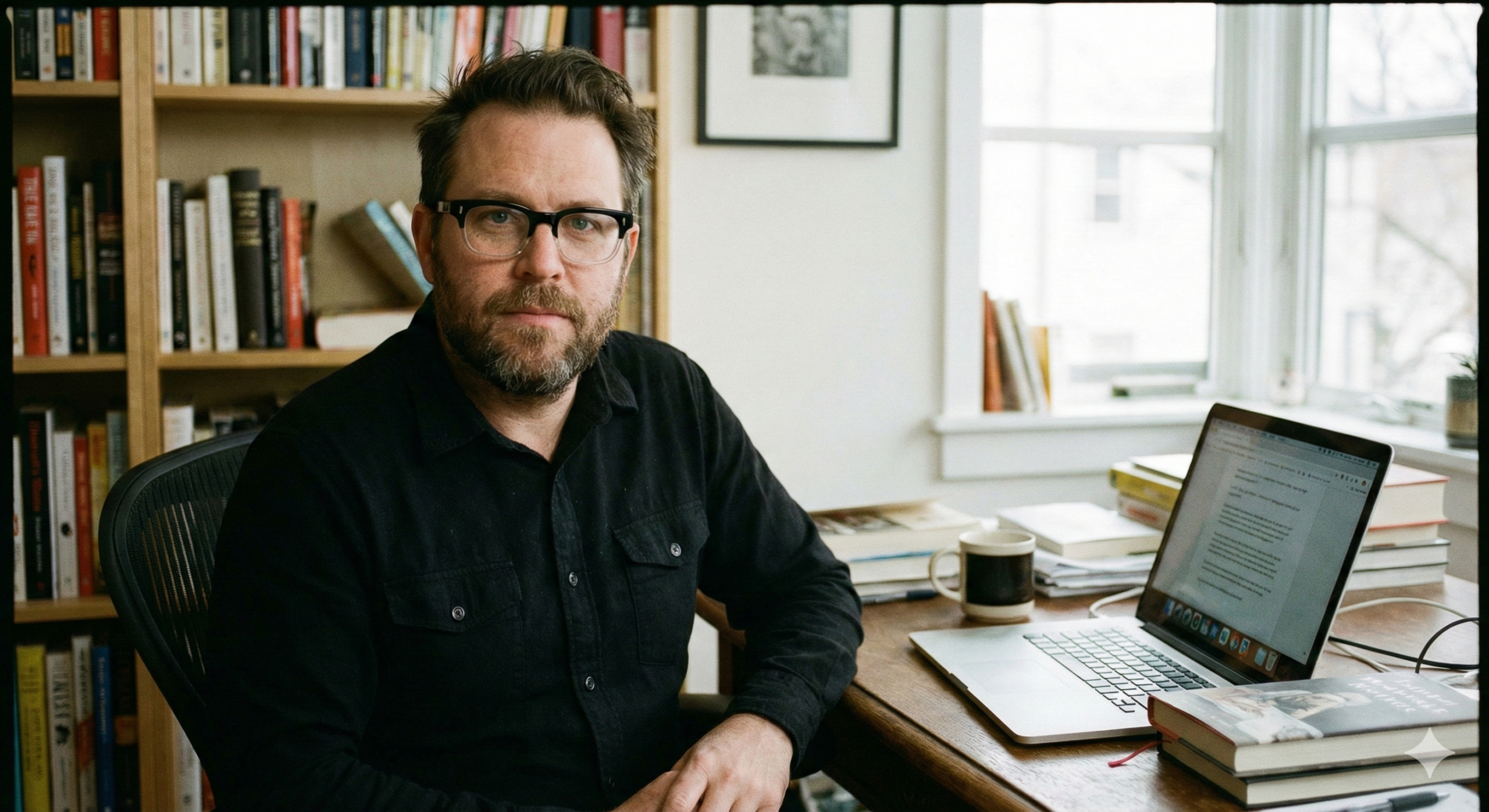
Hello, I’m Wesley, a photographer and content creator with over a decade of experience in the market.My photographic journey began over ten years ago, not with a fancy DSLR, but with an innate curiosity and a desire to capture the world around me. Over the past decade, I’ve honed my skills across various professional settings, from studio work and freelance projects to collaborating with brands on impactful campaigns. Through it all, one profound realization consistently emerged: the best camera is truly the one you have in your hand.This belief forms the cornerstone of my work today. I am passionate about democratizing photography, proving that you don’t need expensive equipment to create stunning, professional-quality images. With just a smartphone, a keen eye for light, and a solid understanding of technique, anyone can produce catalog-worthy photos, engaging content that converts, and visuals that tell compelling stories.On this blog, I share the distilled wisdom of my 10+ years in the field. My expertise lies in teaching practical mobile photography techniques, mastering composition, and refining your editing skills specifically for social media and impactful product photography. My mission is to empower creators, small business owners, and fellow enthusiasts to confidently master mobile photography – without unnecessary technical jargon, just actionable insights and proven methods that deliver real results.If you’re ready to elevate your visual content, create a consistent brand aesthetic, or simply understand how to make your smartphone photos truly shine, you’ve found your guide.Let’s create incredible images together.