
Plan your consistent photo editing workflow
You want a workflow that saves time and makes your photos feel like they belong together. Start by picking a clear style and a few tools you trust. Keep things simple so you can repeat them without a second thought.
Decide on the building blocks: a preset or LUT, a color palette, file naming rules, and a backup step. Write these down so you stop guessing and start editing.
Treat the plan like a map you use every shoot. Test it on a small set, tweak one thing at a time, and keep notes. Your edits get faster and more consistent with each run.
Set a clear visual goal for your work
Pick one short phrase that tells the story of the edit — warm and airy, moody and high contrast, or clean and true-to-life. Use that phrase as your north star every time you open an image.
When you wonder, “How to apply the same style to different photos”, make a reference image and save its settings as a preset. Try that preset on bright, dark, and mixed-light shots, note what you tweak, and refine the preset so the look stays steady.
Map steps from import to export for repeatability
Write the exact steps you take, in order: import, backup, cull, global adjustments, local fixes, crop, sharpen, export. Keep that list as your script so you don’t skip or double back.
Add simple tools at each step: an import preset, batch metadata, a develop preset, and an export preset. Name files with a short code and date. This small routine makes your work faster and your output consistent.
Create a simple workflow checklist
Keep a one-line checklist you can scan: Import Backup, Cull, Apply Preset, Basic Tone, Local Fixes, Color Grade, Sharpen, Export with Preset — stick it where you edit and update it as you learn.
Create and apply batch photo editing presets
You want edits that look the same across a set of images. Presets save a group of adjustments—exposure, color, contrast—so you can apply them with a click. That gives speed and visual consistency across a shoot.
Make one preset by dialing in adjustments on a representative photo, then save it with a clear name and include only the settings you want to repeat. Keep names short and logical so you can find them fast during a busy edit session.
If you ask “How to apply the same style to different photos,” select a group of images and apply the preset at once. Check a few frames and tweak local fixes so you keep control of details while getting a consistent look.
Build reusable Lightroom or Capture One presets
In Lightroom, finish fine-tuning one image, then create a preset and choose which sliders to include. Include only the adjustments you want repeated. Save presets into folders and name them by scene or mood.
Capture One uses styles and user recipes that work similarly. Create a style, test it on different files, and export it if you share settings with a team. Keep a small library of go-to styles to keep your workflow tight and repeatable.
Apply presets across photos to speed edits
Select a batch and use Auto Sync or the sync function to push the preset across all selected files. You’ll shave hours off editing a shoot if you do this smartly.
Work in stages: cull first, apply a preset to the keepers, then refine exposure and skin tones. Use virtual copies for style experiments so the main edits stay clean and fast.
Test presets on varied images
Always test your preset on low-light, bright, and skin-tone-heavy shots before you commit. A preset that looks great on a landscape can crush skin tones or clip highlights in portraits. Make quick tweaks and save a variant when needed.
Match tones across images with color grading
You want a set of photos that feel like a single story. Pick a target tone — warm and cozy, cool and cinematic, or high-key and airy — and use a single LUT or preset as your base so the images begin on the same page.
Correct the basics on each image first: fix white balance and exposure so the grade behaves predictably. Then apply the base grade and nudge contrast, saturation, and color balance until the group reads as one. This is core to “How to apply the same style to different photos.”
Compare images side by side and tweak selectively. Use masks or local adjustments to keep faces natural while maintaining background consistency. Shared touches—like the same highlights roll-off or shadow tint—act as the glue that binds the set.
Use color grading for consistency and mood
Treat grading like a mood stamp. Pick one or two dominant hues and let them repeat across images. For a film look, push warm mids and slightly teal shadows; for clean editorial, keep saturation low and tighten contrast.
Apply presets or LUTs, then fine-tune per photo. The preset gives a shared start; your tweaks make each image look right while keeping the whole set coherent.
Fix white balance and exposure before grading
If white balance is off, your grade will fight the image. Set a neutral point using a gray card or the eyedropper on skin or a neutral object. Make temperature and tint consistent across the batch first.
Get exposure and contrast in order next. Clip highlights and lift shadows only as needed. Once the foundation is correct, your color grade will be predictable and easier to match across photos.
Save tone reference images
Keep a folder of reference images that show the exact look you want. Label them by mood or client and include notes on settings or LUT names. When a new photo arrives, open a reference and match it—this speeds decisions and keeps your style consistent.
Use photo style transfer techniques and AI tools
You can get a big head start by using photo style transfer and AI tools to copy a look across images. Run a transfer to create a base match quickly, then treat that result like a rough draft. This saves time and gives you a consistent starting point to refine.
If you wonder “How to apply the same style to different photos”, pick one strong reference and run it through a style-transfer model or an AI filter on a batch. Tweak strength and preserve-details options so faces and highlights stay natural. Think of the AI pass as laying down the paint; you’ll finish the fine brushwork yourself.
Use AI results as a guide, not the final answer. Watch for strange colors or broken textures and use masking, blend modes, and local edits to fix them. Combine smart automation with targeted manual fixes to get consistent, natural-looking photos.
Try photo style transfer techniques for base matches
Choose a clear reference image that shows the look you want — color palette, contrast, and texture. Feed that into a neural style transfer, GAN, or modern photo AI feature. Run several models or presets so you can pick the cleanest base match.
Batch process similar shots to keep your gallery coherent, then inspect each output. Lower the style strength if skin tones shift badly, or separate color transfer from texture transfer to keep faces readable.
Make manual tweaks after automatic transfers
After the automatic pass, go in with local tools. Use selective color grading, dodge and burn, and small exposure fixes to restore natural skin and bring back highlight detail. Automatic tools love drama but can crush subtlety—your hands restore it.
Work in layers and masks so you can dial adjustments up or down without destroying the AI work. Compare with your reference, fix eyes and skin, and smooth problem areas.
Keep a before-and-after comparison
Keep a clear before-and-after file or use a swipe/split view so you can see progress and prove value to clients. Save the original and versions at key steps, and label them so you can repeat the same fixes quickly.
Use Lightroom’s sync settings and local adjustments
Start with a hero photo — one you like best — and build a look around it. That makes “How to apply the same style to different photos” simple: edit one, then copy or sync those settings to the rest. This saves hours and keeps your series cohesive.
After you craft the base edit, pick which sliders to copy. Leave out crop or heavy spot removal if each frame needs its own composition. Focus on Exposure, Contrast, White Balance, Tone Curve, and Color Grading. Bold choices here give you a clear starting point to tweak per image.
Never stop at a blind sync. Use local adjustments to fix skin tones, skies, or foregrounds that differ from the hero shot. Sync gives the body; masks and brushes give the face.
Sync settings to apply the same edits across photos
Select the photos you want to edit, pick the hero image last, then hit Sync. Lightroom will show a list of checkboxes — uncheck anything that would break composition, like Crop or heavy Spot Removal. Click Synchronize and watch the look spread across the batch.
Use Auto Sync for live batch editing, or Copy/Paste for one-off transfers. Try a Virtual Copy if you want to test a sync without changing originals.
Use masks and local edits to match details
Masks let you treat parts of the image differently. Use Color Range, Luminance, or the Brush to pull down a blown sky, lift a face, or soften a background. That’s how you match small details after a global sync so your photos look like a family, not clones.
In mixed-light scenes, apply local fixes to match skin tones and fix highlights. Adjust Feather and Flow so transitions look natural.
Keep original RAW backups
Always keep the untouched RAW files and make at least one backup copy on a separate drive or cloud. Keep Virtual Copies for experiments and never overwrite originals. If something goes wrong, you can always roll back.
Build a unified photo aesthetic for your portfolio
Your portfolio should feel like a single voice. Pick a core palette, a small set of tones and one or two strong moods—warm and soft, cool and crisp, high contrast, or dreamy. When you stick to those choices across shoots, your work reads as a series, not random snapshots.
Lock in a few editing rules you use every time: consistent crop, similar contrast, and a steady approach to color and sharpness. Use a base preset or an edit recipe as your starting point, then tweak for each photo. That saves time and keeps the look unified without forcing every image into the exact same mold.
Think like a curator. Show fewer images that match, instead of many that distract. A tight, coherent set makes your strengths clear and boosts the perceived value of your work.
Arrange images to show visual style consistency
Order matters. Start strong with a defining image that shows your look—color, light, and mood—then follow with pieces that echo that language. Place images with similar tones or compositions near each other to reinforce the pattern.
Use spacing and pairing to control pace. A bold, high-contrast shot can be softened by a calmer frame next to it, or two similar frames can be grouped to amplify a theme. Your arrangement should guide the eye, not fight it.
Apply “How to apply the same style to different photos” to each gallery
Start with a reliable preset or edit recipe that captures your main choices—exposure range, color temperature, contrast curve, and grain. Apply that base to every image in a gallery so the core language stays the same. Then make small local fixes: brighten faces, recover highlights, or tweak skin tones. The preset gives unity; the tweaks keep each picture honest.
Don’t force identical settings on wildly different lighting. For a night street shot and a sunlit portrait, keep the same color mood and contrast curve, but adapt exposure and white balance. Think of it like speaking one language with regional accents — the same voice with small, natural shifts.
Write a short style note for viewers
Quickly tell viewers what they’re seeing: the main mood, the color choices, and any editing decisions that matter—muted tones, high contrast, or film grain. A one-sentence note gives context and helps the audience read your work the way you intend.
Quick FAQ — How to apply the same style to different photos
- Q: What’s the fastest way to get consistency? A: Build a strong base preset from a hero image, batch-apply it, then use masks/local adjustments to fix differences.
- Q: How do I avoid breaking skin tones? A: Test presets on varied images, lower style strength for AI transfers, and use selective color or local brushes to correct skin.
- Q: When should I use AI/style transfer? A: Use it for base matches on large batches, then refine manually. Treat AI as a time-saver, not a final pass.
Keep your workflow documented, test on varied images, and use the combination of presets, grading, sync, and local fixes to answer “How to apply the same style to different photos” consistently and efficiently.
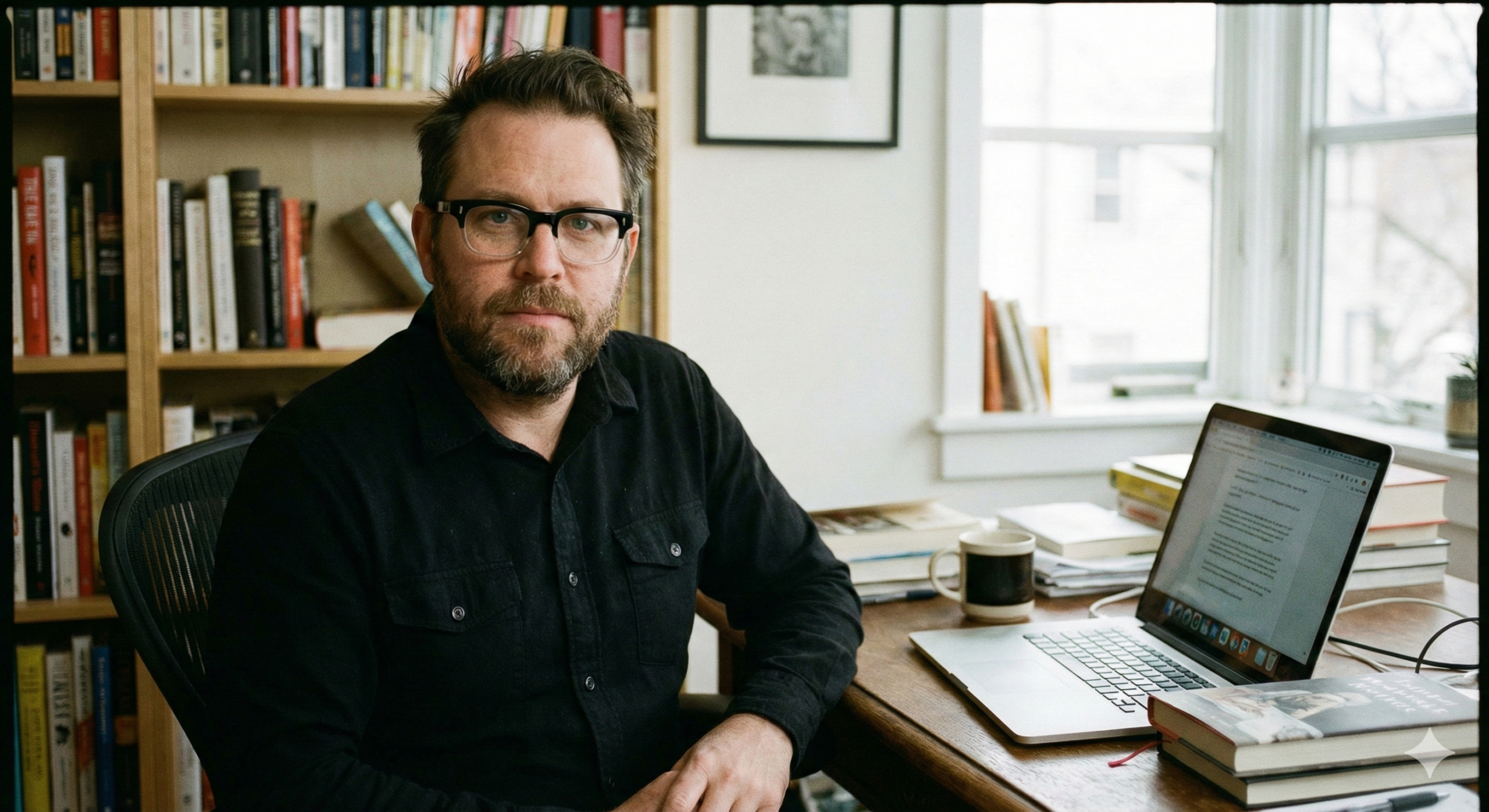
Hello, I’m Wesley, a photographer and content creator with over a decade of experience in the market.My photographic journey began over ten years ago, not with a fancy DSLR, but with an innate curiosity and a desire to capture the world around me. Over the past decade, I’ve honed my skills across various professional settings, from studio work and freelance projects to collaborating with brands on impactful campaigns. Through it all, one profound realization consistently emerged: the best camera is truly the one you have in your hand.This belief forms the cornerstone of my work today. I am passionate about democratizing photography, proving that you don’t need expensive equipment to create stunning, professional-quality images. With just a smartphone, a keen eye for light, and a solid understanding of technique, anyone can produce catalog-worthy photos, engaging content that converts, and visuals that tell compelling stories.On this blog, I share the distilled wisdom of my 10+ years in the field. My expertise lies in teaching practical mobile photography techniques, mastering composition, and refining your editing skills specifically for social media and impactful product photography. My mission is to empower creators, small business owners, and fellow enthusiasts to confidently master mobile photography – without unnecessary technical jargon, just actionable insights and proven methods that deliver real results.If you’re ready to elevate your visual content, create a consistent brand aesthetic, or simply understand how to make your smartphone photos truly shine, you’ve found your guide.Let’s create incredible images together.