
How to create one style and keep it for 3 months plan
You can lock in a clear editing style and ride it for three months. Start by picking one look that matches your brand or project—color mood, contrast, and font choices. Use the phrase How to create one style and keep it for 3 months as your promise to yourself: pick it, stick to it, and measure results weekly.
Treat this as a habit, not a one-off task. Make one preset or LUT and use it as your base. Keep notes on small changes so you don’t drift. If something looks off, you’ll spot it fast when everything else is consistent.
Think of your plan like a garden. Plant the same seeds, water them the same way, and check growth every week. If you try new seeds often, the garden looks messy. Commit, check, and prune. That’s how you get a clean, recognizable style.
Set goals for consistent editing style
Decide what success looks like in plain terms. Do you want faster exports, fewer revision rounds, or a recognisable look on social feeds? Write down two or three concrete goals and give each a deadline. Clear goals keep you honest and focused.
Use short checkpoints: weekly review, mid-month tweak, end-of-month report. Ask: did the look perform better? Did viewers react more? Keep feedback simple and actionable. Small, steady wins beat big, vague plans.
Build a simple post-production style guide
Create a one-page guide with the essentials: color palette, contrast, sharpness, and export settings. Add sample images and a before/after to show what counts as on style. Keep it visual so you can scan it in seconds.
Include file naming rules and version control (e.g., ProjectScenev01_YYYYMMDD). Note approved plugins, LUTs, and font use. Short, clear rules increase compliance.
Quick checklist for How to create one style and keep it for 3 months
Pick your style, create a preset/LUT, set export settings, define naming rules, schedule weekly reviews, document tweaks, and lock major changes until the three-month mark.
Use an editing workflow template
Start with a simple editing workflow template that lists steps from ingest to export: ingest, proxy creation, rough cut, color, audio mix, final export. A written template stops guesswork and makes the process repeatable so you can focus on creative choices.
Make the template a living file you open for every project and add checkpoints for backups and versions. Treat the template like a recipe card: follow it, tweak it, and keep results consistent.
Use the template to lock in a visual style and schedule. If you wonder How to create one style and keep it for 3 months, document your color grades, LUTs, fonts, and export settings in the template and revisit them each week so the look stays steady.
Map tasks in your editing workflow template
Break each phase into clear tasks and time boxes (e.g., ingest 15 min, sync audio 30 min, rough cut 2 hrs). Assign owners and add quick acceptance checks like Client review done? or Audio peaks checked? Simple task mapping makes work faster and deliverables cleaner.
Add batch processing presets to save time
Create presets for common steps like color correction, noise reduction, and export settings. Apply them to many clips at once. Store presets in your template and name them clearly (e.g., Promo1080p24fps). With a few clicks you cut hours and keep the style tight.
Daily editing workflow template to follow
Start the day by ingesting footage and making backups, create proxies and apply a quick batch color preset, do a focused rough cut, follow with audio cleanup and a fine cut, then finish with a final color pass and export using your saved preset so you end the day with deliverables ready.
Create a color grading preset workflow
Define a look and break it into repeatable steps: exposure, white balance, primary contrast, and creative color. Treat each step like a recipe point to cut guesswork and save hours.
Build a test set of clips covering skin tones, night shots, and daylight to make your baseline LUT and check how the look reacts to different lighting. Run quick tests, note failures, and tweak only the failing steps rather than redoing the whole grade.
Lock the workflow into your software: save node/layer order, favorite tools, and keyboard shortcuts as part of the preset routine. Give each preset a clear name and version number so you can answer How to create one style and keep it for 3 months without losing your mind.
Build reusable LUTs and tests
Make base LUTs from favorite edits and export them in common color spaces. Treat LUTs as building blocks, not final looks: use a neutral camera profile, apply your LUT, then tweak lift/gamma/gain.
Always test LUTs on a small pack (face, sky, dark interior). If a LUT crushes shadows or shifts skin, tweak base nodes or make a softer version. Save test results with short notes so you can trace what worked.
Save preset steps for consistent tones
Save each step as its own preset—Step 01 – Prep, Step 02 – Balance, Step 03 – Look—so you can swap parts quickly when a shot needs a lighter touch. Versioning matters: when you tweak, save a new version like Look_v2 and log one sentence about the change and which cameras or scenes it suits.
LUT management system for smooth grades
Organize LUTs in a clear folder tree with names showing camera and purpose (e.g., A7IIISkinBase.cube, NightWarm_v1.cube). Tag versions, keep a simple README listing test clips that passed, and back up to cloud and local drives.
Project organization for editors
Good organization gives you faster edits and less last-minute panic. Set clear folders, naming, and backup rules so you stop hunting for clips at 2 a.m.
If you wonder How to create one style and keep it for 3 months, start with a single folder template, a naming standard, and a short README everyone reads. That three-month run proves the system and helps the habit stick.
Make rules simple and repeatable: a checklist, a one-page readme, and basic automation for backups and version control. Train once and enforce with short reviews so the process becomes muscle memory.
Standardize folders and timelines
Use a consistent folder tree: ProjectName / Media / Sequences / Exports / Archive. Name files like ProjectClientYYYYMMDD_V01. Keep raw footage, proxies, and exports separate and use timeline templates for common deliverables (frame rate, resolution, track layout). Lock finals and move old cuts to Archive.
Use metadata and tagging workflow early
Add metadata at ingest: project, scene, take, camera, and a short note. Agree on a small tag list, use proxies with the same metadata, and batch-apply when possible so editors can pull selects fast and avoid re-watching raw clips.
Metadata and tagging workflow rules
Always use a controlled set of tags, lowercase, date format YYYYMMDD, version prefixes like v01, required fields filled at ingest, short notes for selects, consistent color codes, and batch metadata where possible.
Automate with batch processing presets
Use batch processing with strong presets so edits behave the same every time. Lock core settings: one color, one audio level, one export size, and apply them to folders. That gives you consistency and saves hours.
If you’re asking How to create one style and keep it for 3 months, start by locking your core settings, saving a preset that includes color LUT, audio trim, and export codec, testing it on three clips, then rolling it out. Treat the preset like a recipe.
Run a test batch first, add a watch folder or scheduled task for overnight jobs, and aim for steady output with little babysitting.
Batch exports and renders you can trust
Choose a fixed codec and bitrate that match the delivery platform and don’t switch settings per project. Use proxies if your machine slows down. Automate naming and location for each export and include checks: quick preview, checksum, or a small QC script.
Keep version control for edits simple
Use clear file-name rules (date short title v#), keep originals in an archive folder and active edits in a working folder. Use autosaves, cloud sync, and a short change log to roll back fast and keep your style on track.
Version control for edits best steps
Use a single master folder, name files with date v#, keep an archive of originals, enable autosave, and log each change briefly.
Enforce consistency with an editorial consistency checklist
A short, clear checklist makes every deliverable feel like it came from the same house. Attach it to every project file, set one person as the owner for each deliverable, and keep a simple version history. Focus on the few items that break your brand most often—tone, captions, color, audio levels—and fix those first.
Frame your plan around How to create one style and keep it for 3 months. Run the checklist daily for the first two weeks, then every other day, then weekly. Track errors like a scoreboard: if mistakes drop, you’ve locked in habits; if not, tighten one rule and try again.
Run quick style reviews with your team
Hold 10–15 minute reviews: show one good example and one bad example, ask for one fix everyone can apply right away. Make roles clear—one checks captions, one listens to audio, one scans graphics—and use timestamps or screenshots so feedback lands on concrete spots.
Train everyone on the post-production style guide
Train in tiny chunks: three 20-minute sessions on naming conventions, color grading, and voice. Give a short practice task and review it together. Provide a one-page cheat sheet, quick video examples, and a questions channel. Make learning part of the workday so adoption happens fast.
Editorial consistency checklist to use
Include: file naming rules; caption formatting and punctuation; approved font sizes and color palettes; target audio levels and compressors; standard transitions; metadata fields; common phrasing and banned words; version control steps and sign-off owner.
Three-month review and iteration
At the end of the three months, run a focused review: compare performance to the goals you set, tally recurring issues from the checklist, and decide whether to keep, tweak, or replace parts of the system. If you need to change the look, limit changes to one element (e.g., contrast or a LUT) and test for two weeks before committing.
Remember the promise: How to create one style and keep it for 3 months — commit, measure, and only then iterate.
Summary checklist — How to create one style and keep it for 3 months
- Pick a single visual and editorial style and write it down.
- Create presets/LUTs and save step-based presets (Prep, Balance, Look).
- Build a one-page style guide and a workflow template.
- Standardize folders, naming, metadata, and backups.
- Automate with batch presets and scheduled exports.
- Run weekly checks, quick team reviews, and short training sessions.
- At 3 months, review goals and metrics, then iterate one change at a time.
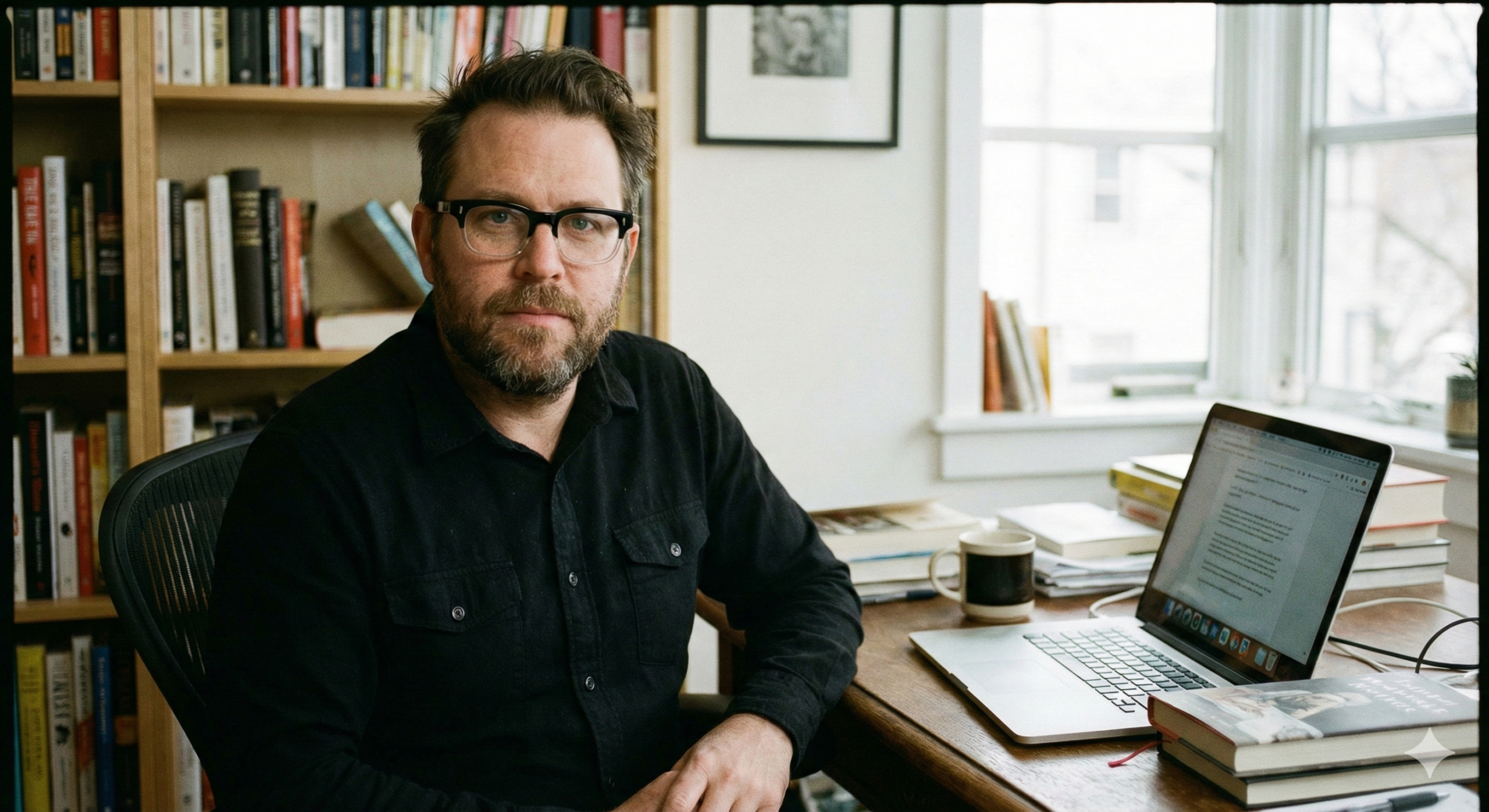
Hello, I’m Wesley, a photographer and content creator with over a decade of experience in the market.My photographic journey began over ten years ago, not with a fancy DSLR, but with an innate curiosity and a desire to capture the world around me. Over the past decade, I’ve honed my skills across various professional settings, from studio work and freelance projects to collaborating with brands on impactful campaigns. Through it all, one profound realization consistently emerged: the best camera is truly the one you have in your hand.This belief forms the cornerstone of my work today. I am passionate about democratizing photography, proving that you don’t need expensive equipment to create stunning, professional-quality images. With just a smartphone, a keen eye for light, and a solid understanding of technique, anyone can produce catalog-worthy photos, engaging content that converts, and visuals that tell compelling stories.On this blog, I share the distilled wisdom of my 10+ years in the field. My expertise lies in teaching practical mobile photography techniques, mastering composition, and refining your editing skills specifically for social media and impactful product photography. My mission is to empower creators, small business owners, and fellow enthusiasts to confidently master mobile photography – without unnecessary technical jargon, just actionable insights and proven methods that deliver real results.If you’re ready to elevate your visual content, create a consistent brand aesthetic, or simply understand how to make your smartphone photos truly shine, you’ve found your guide.Let’s create incredible images together.