
Plan framing for safe zone cropping
You need to think like an editor before you shoot. Frame with a safe zone in mind so your subject never gets chopped off when platforms crop to vertical or square. Leave breathing room around heads, hands, and action — that buffer is your insurance against surprise crops.
Pick a spot in the frame that survives multiple crops: the middle third or just off-center with extra space on the sides or top. Treat the frame like a sandwich — layers you can remove without losing the filling. Preview and test with your phone’s crop tool or an overlay to see how the shot looks in different shapes; practicing this will change how you shoot and save edits later.
Use camera grid lines to keep your subject
Turn on grid lines and use them like a map. Place the eyes near the top grid line and keep action within the center columns when you expect vertical crops. Lock focus and exposure on your subject and watch the grid as you move. If you plan a square crop, center key parts along the middle grid. This answers How to crop for feed without losing the subject before you touch the editor.
Leave extra space for vertical and square crops
Give a buffer of roughly 10–20% above and below people and objects so heads, hands, or props don’t get cut. If you can’t move the subject, step back or zoom out slightly. That extra air keeps the subject intact across shapes — cheap to add, priceless in the final edit.
Mark a safe area around your subject
Physically mark a safe area on your monitor or use a transparent template on your phone. Clip guides into your viewfinder or draw a rectangle in your rig app so you always see where the cut will fall.
Match aspect ratios for each platform
Match aspect ratios so your photos look right on every platform. Different feeds crop images in different ways, and that can cut off a face or a product. Pick the right ratio before you export to avoid last-minute panic and awkward crops.
When you work with the correct ratio from the start, you keep control of the story the photo tells. Keep asking yourself How to crop for feed without losing the subject as you work: use guides and safe zones so the subject never gets chopped off and your images feel polished.
Learn common ratios like 1:1, 4:5, 9:16
Know the usual suspects: 1:1 for grids, 4:5 for Instagram feed-maximizing verticals, and 9:16 for Stories, Reels, and TikTok. Pick the one that fits the platform and the subject and crop accordingly so the main subject stays inside the frame.
Use aspect-ratio conversion before export
Convert photos to the final ratio before exporting. Use crop overlays in your editor and move the frame until the subject sits in the safe zone. Export one copy per platform if possible and keep images at the platform’s native resolution to avoid ugly compression.
Save files at native sizes for each feed
Save exports at native sizes (e.g., 1080×1080, 1080×1350, 1080×1920). Keeping these sizes stops extra compression and keeps your subject crisp.
Recompose without losing subject during crop
Cropping is like moving the picture frame, not the person inside it. When you consider “How to crop for feed without losing the subject,” start by choosing which part of the image must stay visible and mark that area mentally or with a temporary guide so the subject never drifts out of frame.
Different feeds use different shapes; preview at final size so you see what followers will actually get. Make small adjustments and keep the subject dominant while leaving breathing room so the image reads well in feeds and still feels natural.
Move the crop box, not the subject
Drag the crop box to recompose rather than scaling the whole photo. Moving the crop window preserves resolution and keeps the subject sharp. Use arrow keys or touch nudges, and add a little room if the subject hugs the edge so hands or text don’t get cut off.
Maintain subject placement using the rule of thirds
Place the subject near intersections of the rule-of-thirds grid for balance. For portraits, aim eyes on an upper intersection; for action shots, leave space in the direction of motion. These choices help the subject survive many aspect ratios.
Lock subject focal point when cropping
Use a focal point lock or pin the critical area so the editor won’t shift it by accident. If your app lacks a lock, place temporary guides or crop conservatively around the pinned area.
Use subject-aware cropping and smart crop techniques
Start with subject-aware cropping—tools that detect faces, bodies, and motion to keep the main subject centered and intact. Treat smart crop suggestions like drafts: look for key points (eyes, hands, leading lines) and adjust so the crop preserves emotional beats and action.
Match the crop to the platform. Square, vertical, or landscape each demand different subject placement. Use smart crop to speed the process, but choose the format that best serves the content.
Try automated subject-centered crop tools
Automated tools save time by proposing centered crops that fit common feed sizes. Upload, preview, and pick a suggestion. Look for features that lock to faces or motion so the tool keeps the subject even if you change aspect ratios. Don’t accept the first result blindly—check for cut-off limbs or awkward framing.
Review AI crops and adjust manually if needed
AI gets you most of the way there, but the last edits are human judgment. Zoom in and check the eyes, hands, and props; nudge the frame if a pose or gesture is ruined. Use manual tools to refine spacing and balance—the eye catches things AI misses.
Rely on subject detection but verify by eye
Let detection do the heavy lifting, but always do a final visual pass. Verify faces and gestures are clear and no key element is awkwardly cut off.
Post-production crop tips to preserve composition
Think of the frame as a stage and the subject as the lead actor. Keep breathing room so their presence doesn’t feel cramped. Decide the final aspect ratio and which parts of the scene are sacred—faces, hands, or eye-lines—because you can’t invent pixels later.
Work non-destructively with layers, masks, and export versions so you can test different crops without losing the original composition.
Crop non-destructively in layers or smart objects
Convert layers to Smart Objects or use adjustment masks so the full image remains intact. Use masks or clips instead of erasing, rename layers, and save versions to jump back if needed.
Use guides and safe-zone cropping in editors
Set a grid and mark safe zones for faces and key details. Snap the subject to the grid, preview at thumbnail size, and adjust until the subject stays clear even when the image is small.
Keep an original un-cropped master file
Always keep an original un-cropped master file (RAW or TIFF) and a labeled working copy. Store it so you can revert, re-crop, or export new sizes later without hunting for lost pixels.
Test crops in real feeds to avoid subject loss
Test “How to crop for feed without losing the subject” in the actual feed where it will live: post a private version or use a draft. Seeing the image inside the feed, with captions and surrounding posts, shows whether your subject still reads at a glance.
Make several quick crops and compare them in the feed. Try tighter and looser crops, change the subject position, and watch how the eye moves. Test across platforms and screen sizes so your subject stays strong on phones, tablets, and desktop.
Preview images in app mockups or device screens
Drop your crop into a phone screen mockup or open the image on a real phone to preview the exact size people will see. Mockups help, but seeing it live is the final truth test.
Check how thumbnails and previews change
Feeds often show thumbnails or cropped previews before a tap; these tiny versions can hide eyes or cut off heads. Simulate the smallest preview and adjust so the small image still tells the story.
Iterate crops until the subject reads at small size
Keep cropping and testing until the subject reads even at thumb-sized previews: tighten, loosen, or shift the composition and then test again.
Quick checklist — How to crop for feed without losing the subject
- Frame with a safe zone and leave 10–20% breathing room.
- Turn on grid lines; place eyes along top third for portraits.
- Choose the platform ratio (1:1, 4:5, 9:16) before export.
- Move the crop box, don’t scale the image; preserve resolution.
- Use subject-aware tools, then verify and tweak manually.
- Crop non-destructively and keep an uncropped master file.
- Test in the real feed and in thumbnail size; iterate until the subject reads.
Following these steps will help you consistently answer the question, How to crop for feed without losing the subject, and keep your images scroll-stopping across feeds.
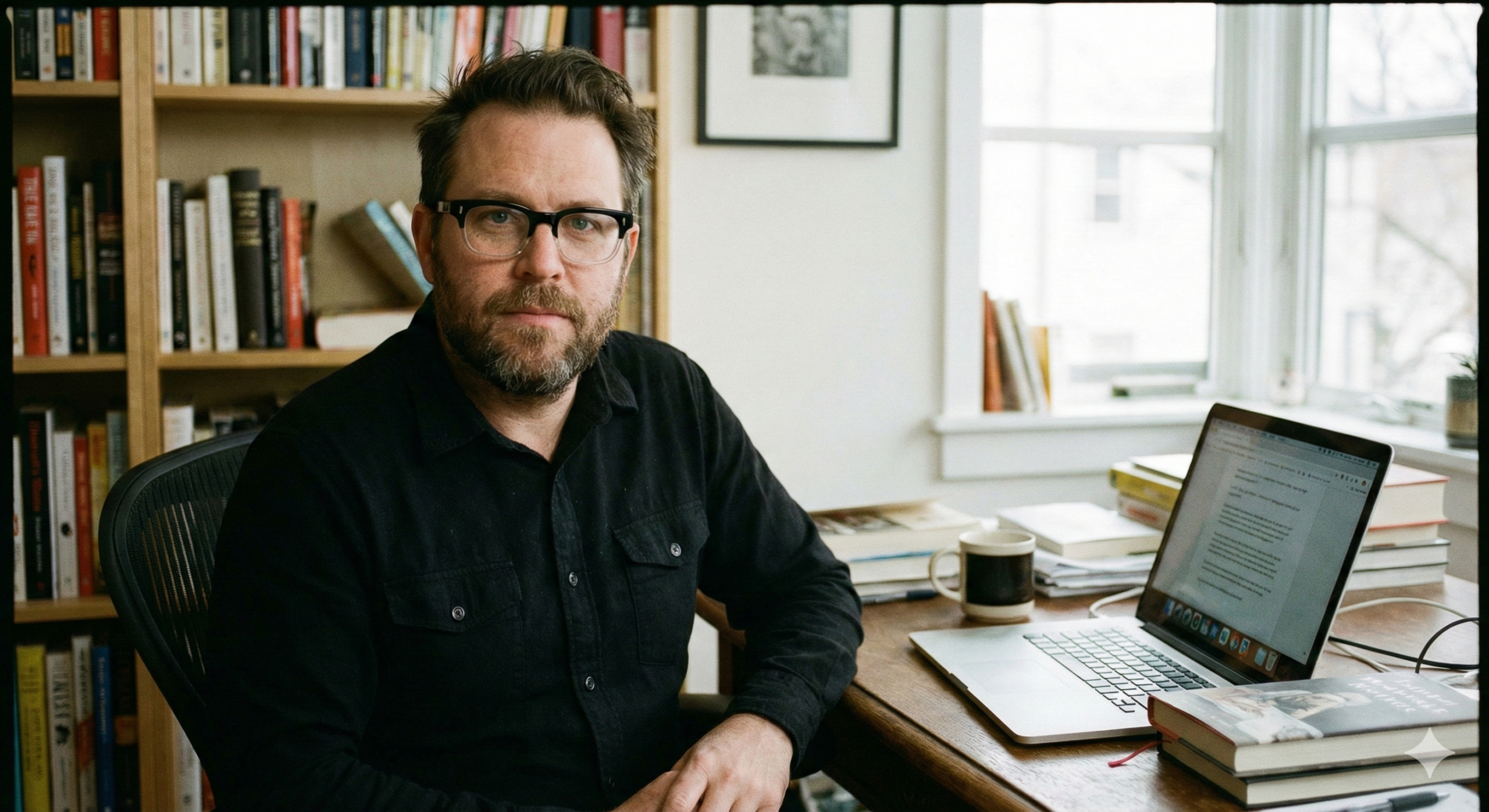
Hello, I’m Wesley, a photographer and content creator with over a decade of experience in the market.My photographic journey began over ten years ago, not with a fancy DSLR, but with an innate curiosity and a desire to capture the world around me. Over the past decade, I’ve honed my skills across various professional settings, from studio work and freelance projects to collaborating with brands on impactful campaigns. Through it all, one profound realization consistently emerged: the best camera is truly the one you have in your hand.This belief forms the cornerstone of my work today. I am passionate about democratizing photography, proving that you don’t need expensive equipment to create stunning, professional-quality images. With just a smartphone, a keen eye for light, and a solid understanding of technique, anyone can produce catalog-worthy photos, engaging content that converts, and visuals that tell compelling stories.On this blog, I share the distilled wisdom of my 10+ years in the field. My expertise lies in teaching practical mobile photography techniques, mastering composition, and refining your editing skills specifically for social media and impactful product photography. My mission is to empower creators, small business owners, and fellow enthusiasts to confidently master mobile photography – without unnecessary technical jargon, just actionable insights and proven methods that deliver real results.If you’re ready to elevate your visual content, create a consistent brand aesthetic, or simply understand how to make your smartphone photos truly shine, you’ve found your guide.Let’s create incredible images together.