
How to lock focus and exposure on mobile (step by step on iPhone and Android)
Tap and hold focus on iPhone
When you tap and hold on the iPhone screen, you lock both focus and exposure. That clamp shows as AE/AF LOCK and prevents the lens and meter from shifting as you move. Use this when light or movement would otherwise fool the camera — for example, when the sun or a bright window is behind your subject. The little yellow box and the AE/AF LOCK label tell you the lock is active.
Practice a few quick taps and holds; you’ll notice people won’t go dark and bright areas won’t blow out. While the lock is active you can slide your finger up or down to fine-tune brightness with the exposure slider.
how to lock focus and exposure on iPhone step by step
Open the Camera app and frame your shot. Tap and hold on the area you want sharp and well-lit until AE/AF LOCK appears. Slide the exposure (sun) icon up or down to adjust brightness while the lock is active. Release or tap the screen again to cancel the lock.
Tap and hold exposure lock on Android
On most Android phones a long press on the preview will show AE/AF LOCK, a padlock, or a small sun icon. That freezes focus and exposure so the camera won’t jump brightness or refocus when something crosses the frame. Behavior and labels vary by manufacturer and app, but the idea is the same: clamp the meter and focus so you can recompose without the camera changing its mind.
how to lock focus and exposure on Android step by step
Open the Camera app and point at the subject. Tap and hold at the spot you want to lock until you see AE/AF LOCK or a lock icon. If available, drag the sun icon to tweak exposure. To unlock, tap elsewhere or switch modes.
Use AE/AF lock for steady shots
AE/AF lock keeps focus and lighting consistent while you recompose, shoot bursts, or record short clips. That prevents surprise changes in brightness and refocusing between frames — useful for portraits, product shots, or backlit scenes.
When you lock, you reduce missed moments and wasted shots because the camera stops hunting. Turn the lock off before moving to a new subject by tapping a new spot or tapping the screen to let auto-adjust resume.
Third‑party apps for stronger control
Third‑party apps (Halide, ProCam, Open Camera) add manual controls: shutter speed, ISO, focus sliders, RAW capture, and histograms. These tools let you lock focus/exposure more reliably and shape the final image.
Look for apps that show AE/AF lock clearly or provide separate exposure compensation after locking focus. Enable manual (Pro) mode to set shutter and ISO directly, and use focus peaking and magnified preview for critical sharpness. Save presets like “sunset” or “portraits” for repeatable results.
Lock exposure for portraits
Meter on the skin, not the brightest part of the frame. Tap the face and hold until AE/AF LOCK appears, then recompose. Use the exposure slider if the scene is very bright or dark to protect skin detail and keep colors natural. After locking, confirm the eyes are sharp by tapping the eye or face first if your app supports touch-to-focus on eyes.
Lock focus for sharp mobile photos
Long-press (tap-and-hold) to set a lock so the camera stops hunting and your subject stays sharp. Use a timer or the volume button as a shutter to avoid jiggling. On iPhone: long-press until AE/AF LOCK appears; slide the sun icon to adjust exposure. On Android: long-press where supported, or switch to Pro/Manual to set focus and exposure values.
Use the grid, hold the phone with both hands, and brace your elbows to avoid blur. For best sharpness in low light, use a small tripod or phone clamp and a remote shutter or timer.
Manual exposure on Android apps
Pro/Manual modes let you change ISO, shutter speed, and EV. Lower ISO (100–400) for cleaner images; choose shutter speeds (1/100–1/250) to freeze motion or slower (1/30 or slower) on a tripod for low light. Test settings on a simple scene before the real shoot and use the histogram to avoid clipping.
Video locking versus photo locking
In video the camera often keeps adjusting focus and exposure, causing flicker. For steady footage, lock both before you record: tap and hold on your subject in video mode until a padlock or AE/AF Lock appears. On some Androids you can lock focus only, or turn off continuous AF (AF‑C) in settings to prevent hunting. Record a short test clip (5–10s) to confirm focus and exposure stay steady.
Quick fixes for lock problems
- Tap-and-hold: open Camera, tap where you want focus, then hold until AE/AF LOCK or a lock icon appears — this fixes most slips.
- If the lock resets: check for strong motion, disable battery saver or auto scene modes, remove thick screen protectors, and avoid accidental swipes.
- Clean the lens, force‑quit and reopen the Camera app, reboot the phone, and check for OS or app updates.
- If all else fails, reset camera settings (or clear app data on Android; on iPhone try Reset All Settings) to remove conflicting tweaks.
When lock keeps resetting and what to try
If the lock keeps dropping mid-shot, try portrait or pro mode, use a short burst, or tap the screen after locking to confirm. Hardware quirks like screen protectors or cases can affect long-press behavior — remove them briefly to test. Also check touch sensitivity settings and background apps that might interfere.
Summary / checklist
- Learn the move: tap and hold to set AE/AF LOCK.
- Use the exposure slider to fine‑tune while locked.
- Meter on skin for portraits.
- Use Pro/Manual apps for more control and RAW.
- For video, lock before recording and test a short clip.
- Troubleshoot by cleaning the lens, updating software, and resetting camera settings if needed.
If you’re learning How to lock focus and exposure on mobile (step by step on iPhone and Android), start with the tap‑and‑hold routine on your phone, then try the Pro app workflow for tighter control. Practice a few scenes and it’ll become second nature.
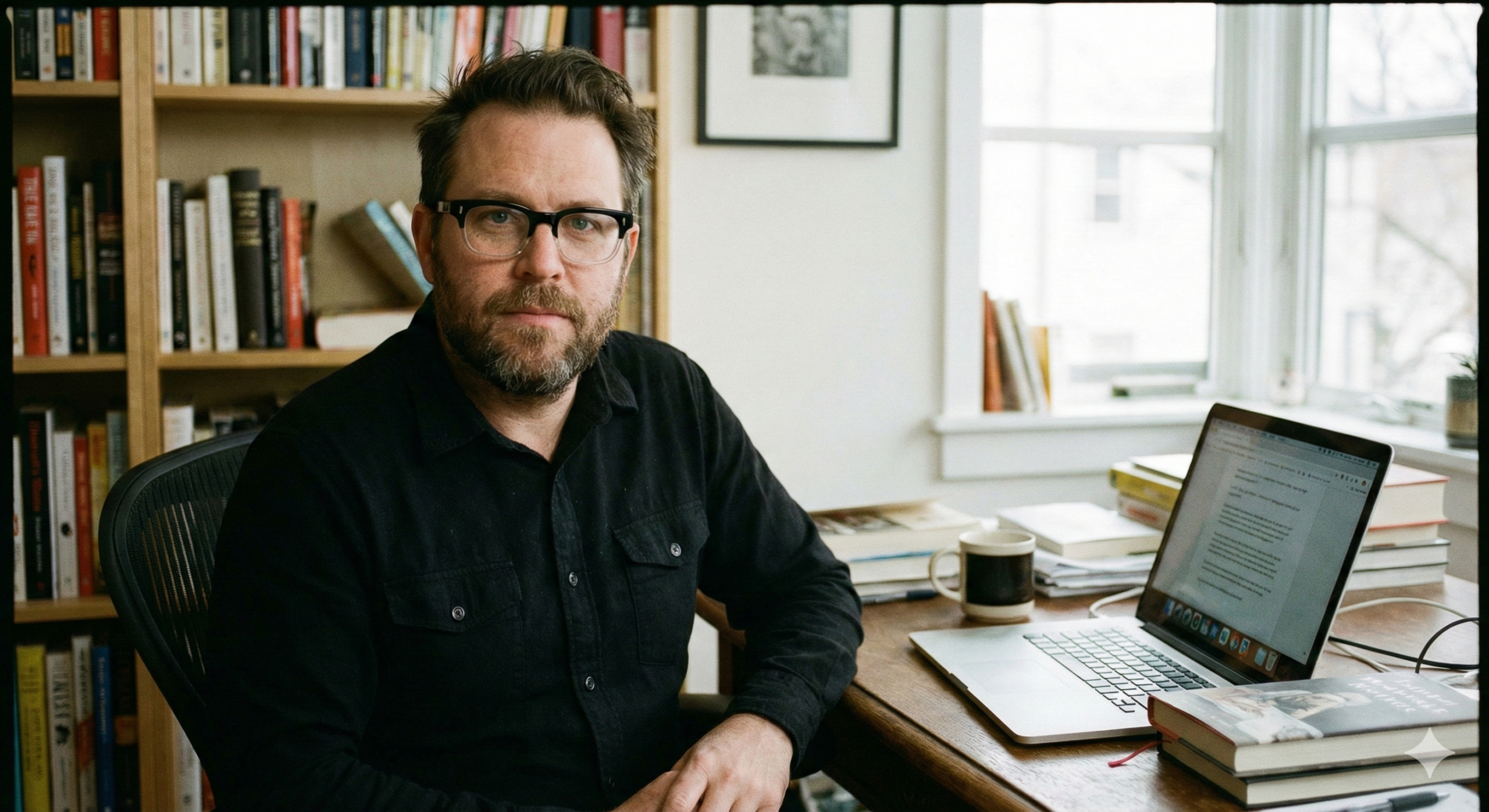
Hello, I’m Wesley, a photographer and content creator with over a decade of experience in the market.My photographic journey began over ten years ago, not with a fancy DSLR, but with an innate curiosity and a desire to capture the world around me. Over the past decade, I’ve honed my skills across various professional settings, from studio work and freelance projects to collaborating with brands on impactful campaigns. Through it all, one profound realization consistently emerged: the best camera is truly the one you have in your hand.This belief forms the cornerstone of my work today. I am passionate about democratizing photography, proving that you don’t need expensive equipment to create stunning, professional-quality images. With just a smartphone, a keen eye for light, and a solid understanding of technique, anyone can produce catalog-worthy photos, engaging content that converts, and visuals that tell compelling stories.On this blog, I share the distilled wisdom of my 10+ years in the field. My expertise lies in teaching practical mobile photography techniques, mastering composition, and refining your editing skills specifically for social media and impactful product photography. My mission is to empower creators, small business owners, and fellow enthusiasts to confidently master mobile photography – without unnecessary technical jargon, just actionable insights and proven methods that deliver real results.If you’re ready to elevate your visual content, create a consistent brand aesthetic, or simply understand how to make your smartphone photos truly shine, you’ve found your guide.Let’s create incredible images together.