
Make small objects look bigger with foreground framing
You can make a tiny subject feel giant by using foreground framing to cheat the eye. Place a prop or your hand very near the lens, then line the small object up behind it so the viewer reads size from that relationship. Try this with a toy car, a ring, or a leaf and a distant tree — the camera will treat the close prop as a reference point and the small object will appear much larger. Practice this trick to learn How to photograph small objects to look bigger (visual scale).
On a phone, move closer with the prop and step the background back. Tap to focus on the tiny subject or use portrait mode to blur the background and hide depth clues. Keep the angle low and steady; a tiny tilt can wreck the illusion. Use a wide field of view if your phone has it — it stretches the foreground and boosts the forced-perspective effect.
Lighting and contrast sell the illusion. Put soft light on the small object so it reads cleanly against a darker or blurred background. Use color contrast, simple shapes in the background, and tight framing so the eye locks on the object and accepts the scaled-up size. Practice a few takes; small changes in distance and angle change everything.
Use foreground framing for scale manipulation in photography
Foreground framing gives you a simple visual language for size. Put something bold and close to the lens — a leaf, a ring, a hand — and let it frame the scene. Think of the frame as a ruler you hold inches from the camera.
With a phone, alignment is everything. Move the prop millimeter by millimeter and watch how the subject’s perceived size changes. Keep the foreground slightly out of focus if you want the subject to feel integrated, or tack-sharp if you want the frame to read as a solid reference point.
Place props close to your lens for forced perspective photography
Putting props inches from the lens makes them dominate visual space and lets you force the viewer to read depth incorrectly. Hold a toy plane near the lens and line it with a distant building; the plane will look like an airplane sized to the building. Stabilize the prop with a small stand, tape, or a friend’s steady hand and lock focus if needed. Keep experimenting with prop size and distance — small adjustments give big results.
Keep background separation to emphasize size
Make the background far enough away that it blurs or loses obvious scale cues. Use portrait mode or wide-aperture effects to soften the background, and pick simple backdrops with few objects so nothing competes with the illusion. The more you isolate the small object visually, the more convincing its new size will be.
Shoot wide-angle close-up on your phone to exaggerate size
Get close and let the lens do the heavy lifting. When you bring a wide-angle lens inches from a small subject, the foreground explodes in size while the background shrinks away. That visual push makes toys, jewelry, or food feel larger-than-life. If you’re learning How to photograph small objects to look bigger (visual scale), this is the fastest trick to try.
Tap to lock focus and exposure, then inch forward until the subject fills the frame. Use the phone’s wide-angle or ultra-wide lens rather than digital zoom. Small shifts forward change the whole picture; your phone will exaggerate depth and make the front plane dominate the scene.
Get very close with a wide-angle view to change perceived size
Move within a few inches of the object and let the wide-angle view stretch it. The closer you are, the bigger the front becomes and the more the back falls away. Brace your elbows, set the phone on a block, or use a small tripod. If the phone struggles to focus, switch to manual focus in a camera app. Avoid digital zoom; it flattens the effect.
Watch lens focal length for size perception and distortion
Focal length decides how dramatic the size change looks. Short focal lengths (wide lenses) increase perspective and make near objects pop. Longer focal lengths flatten the scene and reduce the illusion. Pick the widest lens your phone has when you want that blown-up look.
Wide lenses can also warp edges and stretch shapes if you get too close to round objects or faces. Keep the subject near the center and check for odd curves. If the edge looks weird, step back slightly or crop in post to keep the subject big without looking strange.
Pair wide-angle with low-angle shots to enlarge subjects
Drop down, get low, and shoot up—combine low-angle framing with wide-angle closeness and your subject will visually tower over the viewer. Crouch, rest the phone on a surface, or place it on the ground to make a ring, toy, or snack feel monumental and heroic.
Use depth of field for scale with your phone camera
Depth of field is a secret weapon for changing perceived size. A shallow depth of field blurs the background and makes the subject dominate the frame. When the background fades, your small object feels larger because your eye has fewer scale references.
You control depth of field by how close you get and how you point the lens. Move the camera close to the subject, keep the background far, and shoot from a low angle to compress distance. Try this on something tiny — a toy or ring — and watch the change. This is exactly what “How to photograph small objects to look bigger (visual scale)” teaches: use focus and distance to fool the eye.
Blur the background to separate subject and boost scale
A blurred background gives your subject a spotlight. Increase the distance between subject and background, move close to the subject, and let the distant scene melt into color. Contrast — sharp subject, soft background — equals big impact.
Use portrait mode or manual focus for close-up composition techniques
Portrait mode simulates a wide aperture and yields pleasing blur on many phones. Tap to focus on the tiny object and let the phone do the heavy lifting. If your phone has a Pro/manual focus option, use it to keep the small object pin-sharp while the rest slips away.
Choose aperture or mode to control depth of field
Some phones let you tweak an aperture slider or choose modes that simulate aperture sizes; others require you to move the camera. Use the mode that gives you the largest background blur and the clearest subject — distance and angle can mimic a wide aperture even when the lens is fixed.
Use low-angle shots and forced perspective to dominate the frame
You want your subject to feel like a giant. Get low with your phone and point up. A low angle makes small things look powerful by filling the frame with them and the sky behind them. Try this to learn How to photograph small objects to look bigger (visual scale): place the object close to the lens and shoot from ground level so it towers over the scene.
Forced perspective needs no gear: move the phone forward and the background back, then line up a distant person or building so it looks like your small object is the same size. The eye will read that overlap as scale. Keep light and focus controlled; bright, even side or back light helps the silhouette read big and clean.
Shoot from ground level to make your subject feel larger
Getting down to ground level changes everything. When you crouch or lie flat your subject moves closer to the camera’s vanishing point and edges stretch. Use your phone’s grid to compose and place the subject off-center for drama. Stabilize with a beanbag, backpack, or hands behind the phone to avoid small shifts that break the illusion.
Align distant objects to sell the illusion of scale
Think of the scene like a stage. Move supporting actors (people, buildings) in and out of frame until their placement convinces the eye your subject is massive. This works best on clean backdrops or clear days. A person far away who appears to be holding or leaning on your object provides an instant, persuasive size cue.
Keep horizon and level lines believable to sell scale
A crooked horizon breaks the magic. Level lines anchor the scene and help the brain accept your size swap. Use the phone’s grid and watch roofs, waterlines, or paths as guides so placement looks natural.
Shape perceived size with light, shadow, and texture
You can make tiny things look large by using light, shadow, and texture like a sculptor uses a chisel. Place the light so it grazes the surface and brings out texture, giving the object visual weight. Try photographing a coin beside a ruler to see how visual scale shifts when light changes — this is exactly what How to photograph small objects to look bigger (visual scale) teaches you to spot.
Start with one strong light source and move it around. When light hits at an angle, tiny bumps and edges cast shadows that tell your eye the object has depth and mass. Make changes small and repeatable: move the light an inch and shoot again. Use a window, a lamp, or the phone flashlight behind tissue to soften the beam. Keep notes on angle and distance; that turns guessing into control.
Use side light to reveal texture and add mass
Side light creates long, soft shadows across creases and ridges, making the object look heavier and more solid. Place the subject near a window at an angle or use a small lamp to the side. If shadows are too harsh, diffuse the lamp with tissue; use a white card as a reflector to lift dark areas without killing texture.
Use backlight to separate your subject from the background
Backlight creates a rim that outlines the subject and gives it breathing room, making it read larger. Place the light behind the item and expose for the subject or add a tiny front fill to keep details. A thin reflector or soft front light preserves detail while the rim increases presence.
Avoid flat light that makes objects look smaller
Flat light removes shadows and flattens shapes, shrinking perceived size. If your subject looks tiny and lifeless, move the light to the side or back, or add a small reflector to shape the scene.
Edit, crop, and phone settings to make objects appear larger
When learning How to photograph small objects to look bigger (visual scale), set your phone to give you control. Use focus lock, tap to set exposure, and turn on the grid. Prefer the widest lens for perspective tricks and avoid digital zoom. Small changes in framing and exposure make a big visual jump.
After you shoot, make bold but smart edits. Crop tight to remove empty space and push the viewer’s eye to the object. Boost contrast and slightly darken the background to make the subject feel dominant. Add a mild vignette to pull focus inward. Apply selective sharpening to subject edges and soften the background with a touch of blur. Use local adjustments to brighten the subject and lower highlights behind it — think of editing as stage lighting.
Crop tight and boost contrast to make your subject dominant
Bring edges close to the subject; cutting empty space makes the object fill more of the frame and read larger. Use the rule of thirds to keep balance while filling the frame. Increase contrast to deepen shadows and lift highlights on the subject; if the background is busy, lower its exposure or desaturate it.
Use sharpening and selective clarity for scale manipulation in photography
Sharpen the subject, not the whole image. Apply selective sharpening and clarity to midtones on the object to make details crisp. Then reduce clarity or add a gentle blur to the background to create separation — the subject reads larger when it sits sharp against a softer backdrop.
Keep edits natural to preserve believable size
Subtle edits sell the illusion. Push contrast, sharpening, and blur in small steps; overdoing it makes the subject look pasted in or oddly large. Use real props or a hand in the frame as a size cue when needed, and compare before and after at full screen. Natural tweaks preserve believability.
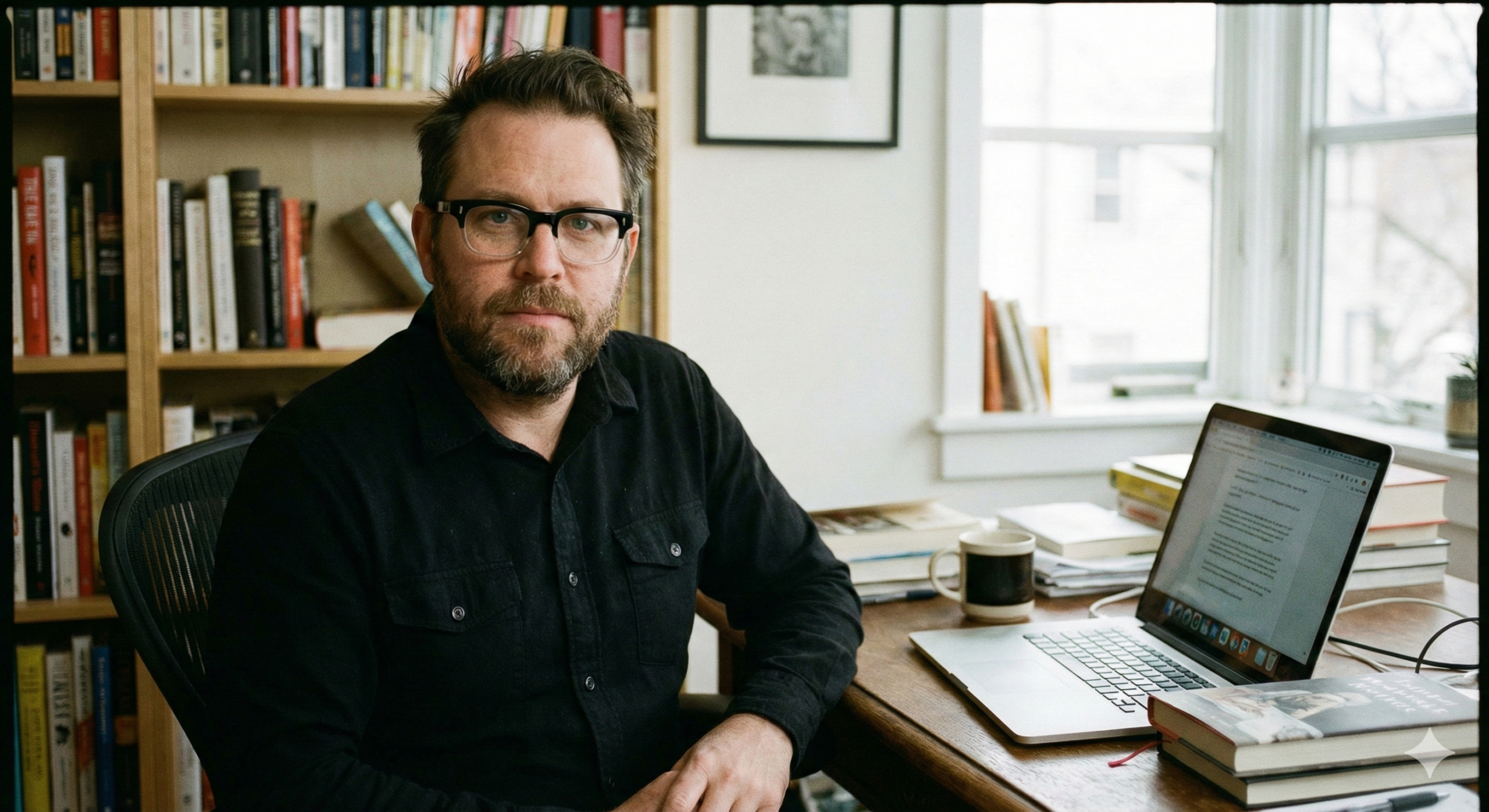
Hello, I’m Wesley, a photographer and content creator with over a decade of experience in the market.My photographic journey began over ten years ago, not with a fancy DSLR, but with an innate curiosity and a desire to capture the world around me. Over the past decade, I’ve honed my skills across various professional settings, from studio work and freelance projects to collaborating with brands on impactful campaigns. Through it all, one profound realization consistently emerged: the best camera is truly the one you have in your hand.This belief forms the cornerstone of my work today. I am passionate about democratizing photography, proving that you don’t need expensive equipment to create stunning, professional-quality images. With just a smartphone, a keen eye for light, and a solid understanding of technique, anyone can produce catalog-worthy photos, engaging content that converts, and visuals that tell compelling stories.On this blog, I share the distilled wisdom of my 10+ years in the field. My expertise lies in teaching practical mobile photography techniques, mastering composition, and refining your editing skills specifically for social media and impactful product photography. My mission is to empower creators, small business owners, and fellow enthusiasts to confidently master mobile photography – without unnecessary technical jargon, just actionable insights and proven methods that deliver real results.If you’re ready to elevate your visual content, create a consistent brand aesthetic, or simply understand how to make your smartphone photos truly shine, you’ve found your guide.Let’s create incredible images together.