
Instagram algorithm visibility: why your photo may not appear
The Instagram algorithm sorts millions of posts every minute, so your photo is competing for visibility. If your post gets little engagement early — likes, comments, saves — the algorithm will push it down. Treat the first hour as make-or-break: a strong start signals relevance and gets you shown to more people.
Three simple signals drive most decisions: engagement, recency, and interest. These tell Instagram who will care about your photo. If followers scroll past, the app figures they’re not interested and moves on. For a quick guide, see: “Why your photo doesn’t show up in the feed (and how to improve the algorithm)”.
You can nudge the system. Post when followers are awake, write a caption that asks a question, and reply fast to comments. Small moves — a better thumbnail, a clearer caption, or a quick reply — act like fuel. Keep testing and be human: bots and spammy tricks hurt you, while real interactions help you grow.
Engagement, recency, and interest signals
Engagement is the loudest voice in the room. Likes, comments, saves, and shares tell Instagram people care. The app watches the first minutes closely: if your post gets attention fast, it will show to more people. Simple CTAs, sharp images, or tagging a friend can lift those first metrics.
Recency favors fresher posts for users who want current updates. Interest is Instagram guessing what someone wants to see based on past behavior — if someone taps similar photos, you get a better shot. Use hashtags that match the photo and post when your crowd is online to align with those signals.
Shadowban causes and policy filters
A shadowban quietly limits reach for breaking rules or appearing like spam. Common triggers: banned hashtags, repeating the same comment, automated tools, or content that brushes policy violations. Reports from other users can also reduce visibility.
Fixing a shadowban: stop automation, remove sketchy hashtags, pause repetitive actions, check Instagram messages, and file an appeal if needed. Clean up and be patient — it can take days for restrictions to lift after you change behavior.
Why photo not appearing in feed explained
Most often your photo is invisible because of low engagement, poor timing, or algorithm choices. It can also be a technical glitch or a temporary filter from Instagram policies. Tweak your caption, switch hashtags, engage with followers, update the app, and watch analytics to see which fix works.
Optimize photo for feed to increase post reach
You want more people to stop scrolling and tap your post. Start with a clear focal point that draws the eye in one second. Use bright lighting, tight crops, and a single subject so your thumbnail pops in the grid. When your image stands out, the algorithm notices higher engagement and pushes your post further.
Technical details matter. Upload at the recommended resolution (1080 px wide) and stick to common aspect ratios like 1:1 or 4:5 to avoid automatic cropping. Compress images lightly so they load fast but stay sharp. If your photo is blurry or oddly cropped, that’s a top reason for “Why your photo doesn’t show up in the feed (and how to improve the algorithm)” — fix format and size first.
Plan to spark interaction: write a short prompt that invites a comment, test color palettes that match your brand, and use carousels to keep people swiping. Track which shots get saves, shares, and comments and double down on what works. Small tweaks add up to big reach gains.
Image quality, captions, and alt text
High image quality is non-negotiable. Shoot or edit for sharpness, natural colors, and good contrast so people recognize your photo at a glance. Avoid heavy filters that wash out detail. A crisp image gets more taps, and taps lead to more visibility.
Your caption is a tiny stage for conversation. Start with a hook, ask one clear question, and include a CTA like tap save or tag a friend. Add alt text that describes the scene in plain words — this helps accessibility and can give your post extra discoverability. Keep it short and aim for comments.
Hashtag strategy for reach and discovery
Pick hashtags that match your niche and audience size. Mix a few big tags with several mid-size and niche community tags so you’re not drowned out. Use location tags when relevant and avoid banned or spammy tags. Smart hashtag use increases discovery without looking desperate.
Rotate sets and test which groups bring real viewers. Save 3–4 tested packs and switch them by post type. Track clicks and impressions in Insights to see what works. Over time you’ll learn which tags get real engagement and which are just noise.
Best time to post
Post when your followers are awake and scrolling — usually weekday mornings, lunch, and early evenings, but every audience is different. Check Insights, note peak hours, and schedule posts around those windows. Consistent timing builds habit and boosts early engagement.
Account health tips to fix low reach on Instagram
Your account health is the first thing to check when reach drops. Run a quick audit: remove automation apps, disconnect suspicious third-party tools, and delete posts that used banned hashtags. Think of your profile like a storefront — if the sign is crooked, people keep walking.
Review your behavior over the past month. Did you blast follows, likes, or comments in a short burst? Copy the same caption every time? Sudden spikes or repeat patterns can flag your account. Read Insights, note when engagement falls, and adjust pacing so your actions look natural.
If you’re asking Why your photo doesn’t show up in the feed (and how to improve the algorithm), start by checking hashtags and third-party apps, then focus on consistent value. Post content people want to react to: a helpful tip, a quick how‑to, or a behind‑the‑scenes moment. Small, steady changes beat one-off hacks.
Avoid actions that trigger a shadowban
Stop using lists of hashtags copied from forums — some tags become restricted and hide posts. Swap repetitive tags for a mix of niche and broad tags, and refresh that list every few weeks.
Also ditch automation and mass follow/unfollow tools. They behave like bots and make Instagram wary. If you want to grow, act like a real person: like sparingly, comment genuinely, and reply quickly. That shows the platform you’re building real engagement, not gaming the system.
Improve engagement on posts with calls to action
Use short, clear CTAs that ask for a small action — Save this for later, Tag a friend, or Which one do you prefer? Place the CTA near the start of the caption for scrollers who skim.
Mix in interactive tools like polls or quizzes in Stories and use carousels that invite swipes. When people tap, share, or save, the algorithm rewards that behavior. After you ask, stick around and reply — a quick reply turns a one-time click into a habit.
Steps to fix low reach on Instagram
Start by auditing apps and hashtags, pause any automation for 48–72 hours, then post consistent, helpful content during peak times. Use clear CTAs (save, share, comment), engage with recent commenters, and track results in Insights so you can tweak one thing at a time.
Quick checklist: Why your photo doesn’t show up in the feed (and how to improve the algorithm)
- Audit account health: remove automation and banned hashtags.
- Post at peak follower times and use the right image size (1080 px, 1:1 or 4:5).
- Improve the thumbnail: clear focal point, bright lighting, tight crop.
- Use tested hashtag packs and rotate them.
- Write a hook one CTA in the caption; add alt text.
- Encourage fast engagement (tag, save, comment) and reply quickly.
- Pause suspect behavior for a few days if reach drops; appeal if wrongly restricted.
Follow these steps and monitor Insights. If you keep asking Why your photo doesn’t show up in the feed (and how to improve the algorithm), use this checklist to diagnose problems and test fixes one at a time.
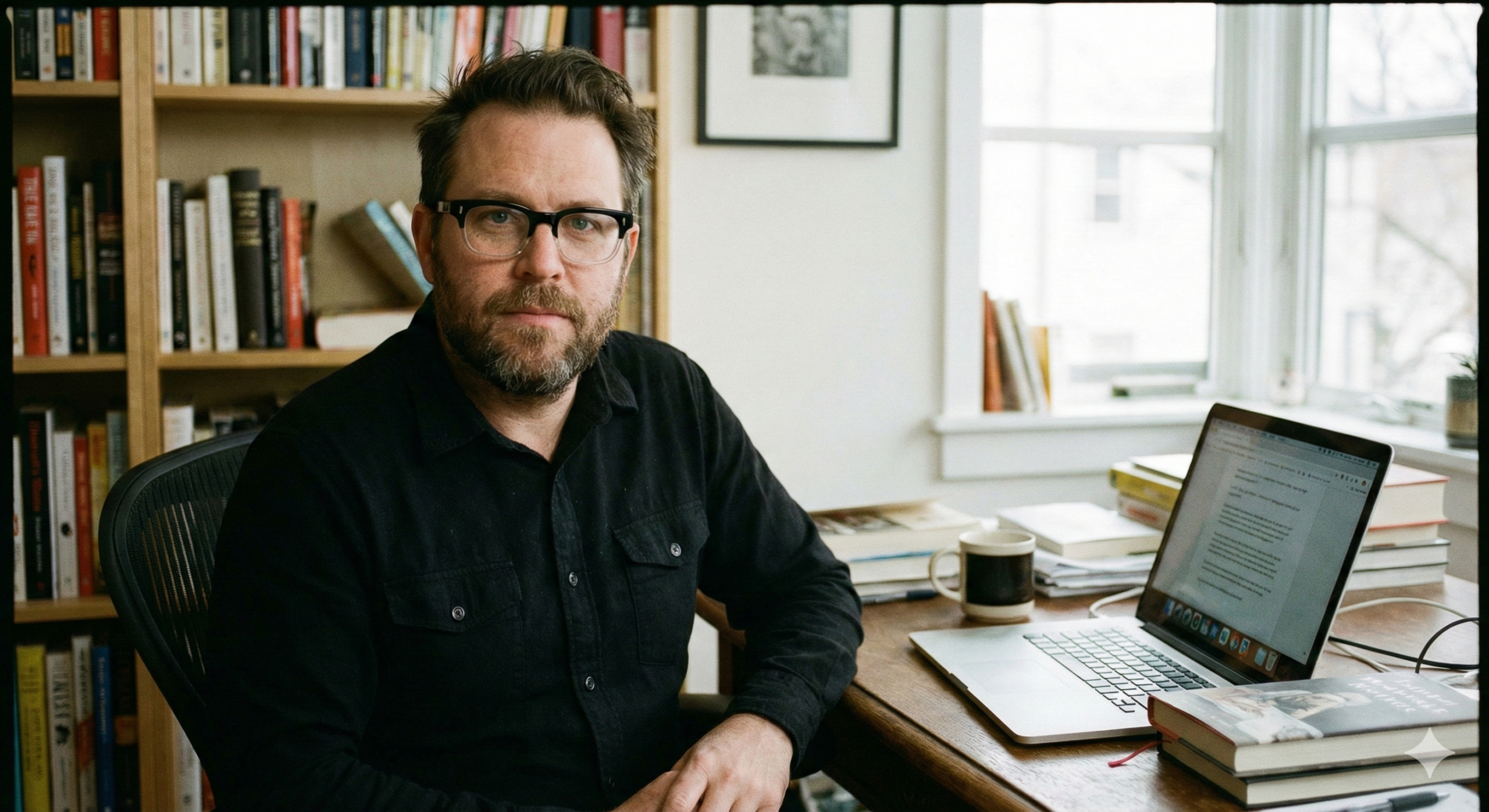
Hello, I’m Wesley, a photographer and content creator with over a decade of experience in the market.My photographic journey began over ten years ago, not with a fancy DSLR, but with an innate curiosity and a desire to capture the world around me. Over the past decade, I’ve honed my skills across various professional settings, from studio work and freelance projects to collaborating with brands on impactful campaigns. Through it all, one profound realization consistently emerged: the best camera is truly the one you have in your hand.This belief forms the cornerstone of my work today. I am passionate about democratizing photography, proving that you don’t need expensive equipment to create stunning, professional-quality images. With just a smartphone, a keen eye for light, and a solid understanding of technique, anyone can produce catalog-worthy photos, engaging content that converts, and visuals that tell compelling stories.On this blog, I share the distilled wisdom of my 10+ years in the field. My expertise lies in teaching practical mobile photography techniques, mastering composition, and refining your editing skills specifically for social media and impactful product photography. My mission is to empower creators, small business owners, and fellow enthusiasts to confidently master mobile photography – without unnecessary technical jargon, just actionable insights and proven methods that deliver real results.If you’re ready to elevate your visual content, create a consistent brand aesthetic, or simply understand how to make your smartphone photos truly shine, you’ve found your guide.Let’s create incredible images together.